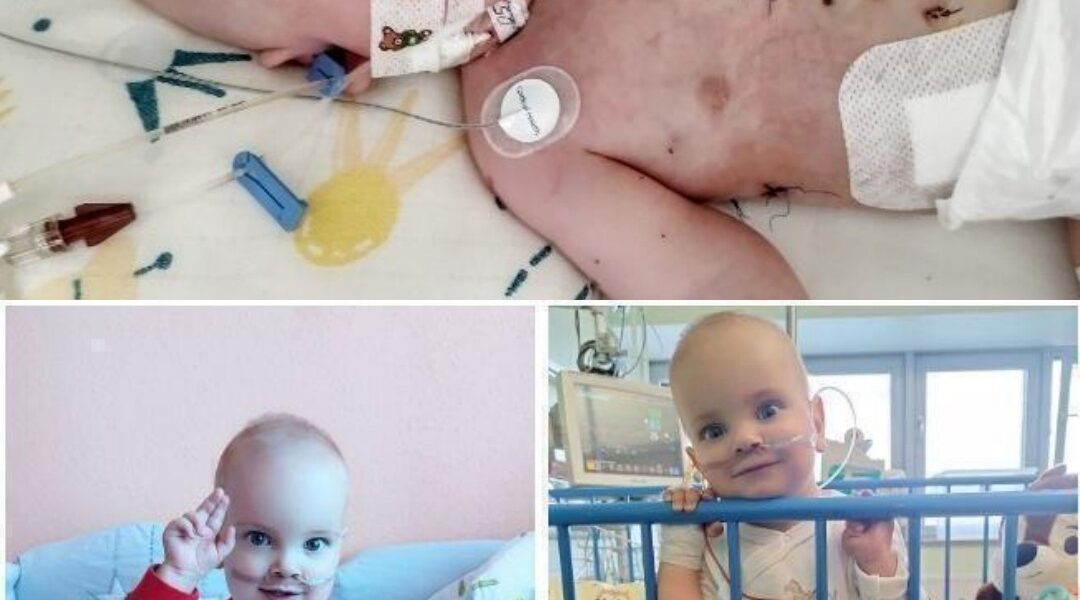

Although hope for the second planned surgery—the so-called Glenn procedure—is slowly fading, we are still holding on with everything we have. Once again, the surgery has been postponed, and with each delay, the fear grows stronger. We don’t even know if it will ever happen at all.
At the beginning of February, Mateusz underwent a diagnostic cardiac catheterization that we prayed would bring good news. Instead, the results were devastating and far from what the doctors had hoped for. His right pulmonary artery was too small, and several critical veins—the left brachiocephalic vein, both femoral and iliac veins, and the lower segment of the inferior vena cava—were completely occluded.
Doctors tried to unblock the brachiocephalic vein, but it was impossible. Mateusz was admitted to the intensive care unit, where he slowly recovered and regained some strength. After a few days, he was transferred back to the cardiology ward, and about a week later, we were finally able to return home.
At the beginning of March, our fragile hope was shattered again. The results were still poor, and doctors decided another catheterization was necessary—this time far more complicated. The procedure required two access points, one through Mateusz’s liver and another through his elbow.
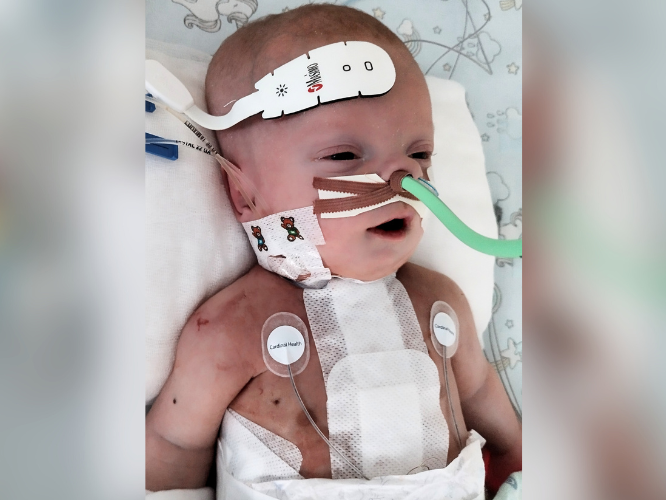
Once again, our son was taken to intensive care, and once again, we waited in fear. A few days later, he returned to the cardiology ward, where we received news that broke our hearts. Despite everything we had endured, Mateusz was not a candidate for Glenn surgery.
His arteries were not growing, blood flow was insufficient, and the fragile balance holding him together collapsed. The doctors were honest—they could not attempt this surgery without risking his life. In that moment, it felt as if the magic keeping our son alive had been cruelly taken away.
Back at home, we focused on rehabilitation, working tirelessly to improve the dexterity of his left hand. But even in these quieter moments, new worries appeared. We noticed that Mateusz did not react to loud sounds, no matter how close or sudden they were.
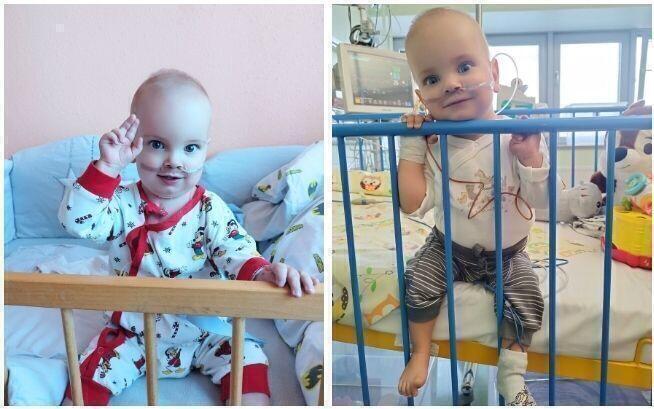
The diagnosis that followed was another devastating blow. Mateusz is deaf—100% in his right ear and 95% in his left. The brain hemorrhages he suffered after his first surgery had caused irreversible hearing loss.
At this stage, cochlear implants are not possible because they would disqualify him from crucial cardiac examinations. For now, we have been offered hearing aids, and we will do everything we can to help our son navigate his silent world. Still, his heart remains the most urgent and life-threatening concern.
We refuse to give up. Doctors have proposed another path—cardiopulmonary bypass surgery to redirect blood flow and improve circulation to the right pulmonary artery. During this procedure, plastic surgery will also be performed on the artery to give it a chance to grow.
This surgery may buy us time. Time for the artery to develop. Time for hope to return. Time, perhaps, for Mateusz to finally qualify for the Glenn procedure that could change everything.
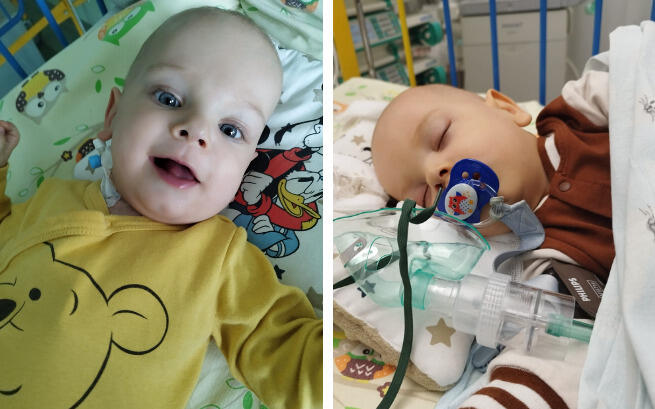
Mateusz was born in March, a day we had awaited with love and fear intertwined. Prenatally, he was diagnosed with an evolving hypoplastic left heart syndrome, critical aortic stenosis, and a restrictive foramen ovale. From the very beginning, we knew we were stepping into the hardest battle of our lives.
Due to oligohydramnios and growth restriction, Mateusz was born at just 35 weeks by cesarean section. He weighed only 1,970 grams and was transferred the same day to the Children’s Health Center. There, he was admitted directly to the neonatal intensive care unit.
Prematurity and low birth weight made everything more complicated. Within the first days of life, Mateusz required urgent cardiac surgery because blood was flooding his lungs. Doctors performed banding of both pulmonary arteries to save him.
Just days later, he underwent another cardiac catheterization to widen the restrictive foramen ovale. Each time he was taken into surgery, we felt our hearts stop beating. Even remembering those moments now brings tears to our eyes.
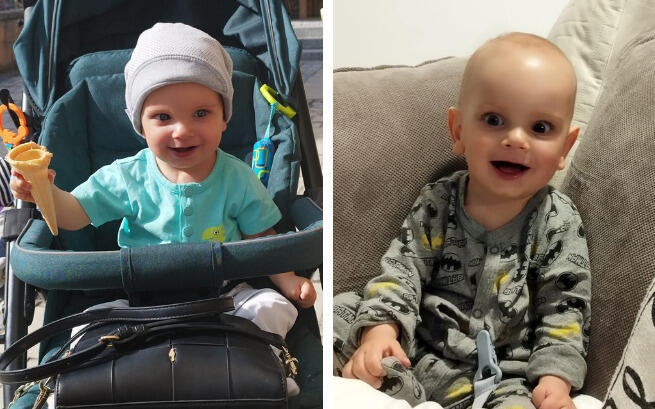
After these procedures, Mateusz never regained independent breathing. His condition continued to worsen, and fear became our constant companion. Then, in early April, the unimaginable happened—our son suffered hypoxia and cardiac arrest.
Doctors fought desperately to bring him back. After stabilizing his condition and obtaining our consent, they performed a last-resort treatment to save his heart. Against all odds, Mateusz survived once again.
Although his heart began to improve slightly after several days, his overall condition deteriorated so much that emergency surgery became unavoidable. After eleven hours of extremely complex surgery, Mateusz returned to us in critical condition. He could not breathe on his own, and his heart was supported by ECMO.
Two days later, kidney failure followed, and dialysis became necessary. We were shattered, but deep down, we knew our son was a fighter. And fighters don’t give up easily.
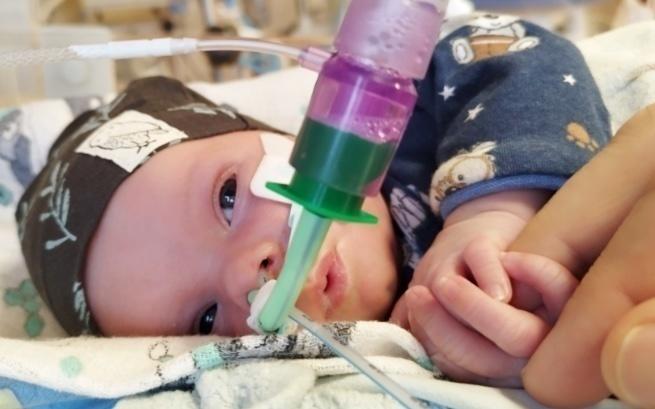
By the end of April, there was a small miracle. His heart began to beat more effectively, his kidneys recovered, and dialysis was no longer needed. Still, he required constant pharmacological support and remained in intensive care.
Just days ago, Mateusz underwent yet another cardiac catheterization and right pulmonary artery bypass grafting. He is currently on a ventilator and fed through a feeding tube. We continue to struggle with oxygen saturation and unstable heart rhythms.
Along the way, there have also been two brain hemorrhages. Doctors say they were not severe, but only time will tell what impact they may have. Every unknown feels like another shadow hanging over our son’s future.
Mateusz still faces at least two more surgeries and long-term rehabilitation. He needs professional care, specialized equipment, and constant monitoring, including a breathing monitor. Frequent travel to Warsaw, specialist visits, and ongoing treatment generate enormous costs.
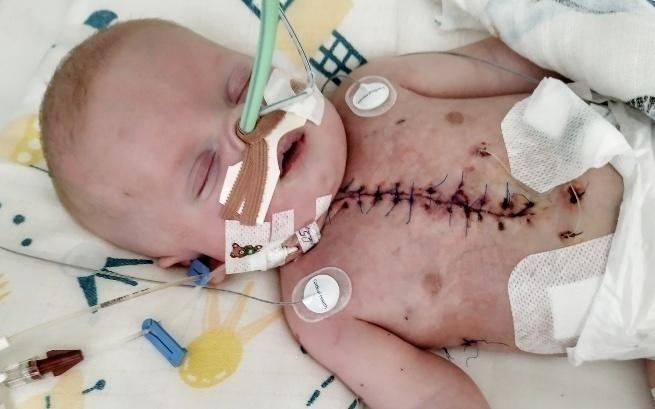
We are exhausted—emotionally, physically, and financially. And we know this is only the beginning of a very long road. With no other choice left, we are asking for help.
We ask everyone with a kind heart to stand with us. To help us fight for the life of our son—our little warrior with half a heart. Every gesture of support gives Mateusz another chance to keep fighting.
— Beata and Andrzej, parents of Mateusz Kunecki
Polito’s Miracle: From Fear and Illness to Faith in Humanity Again.442
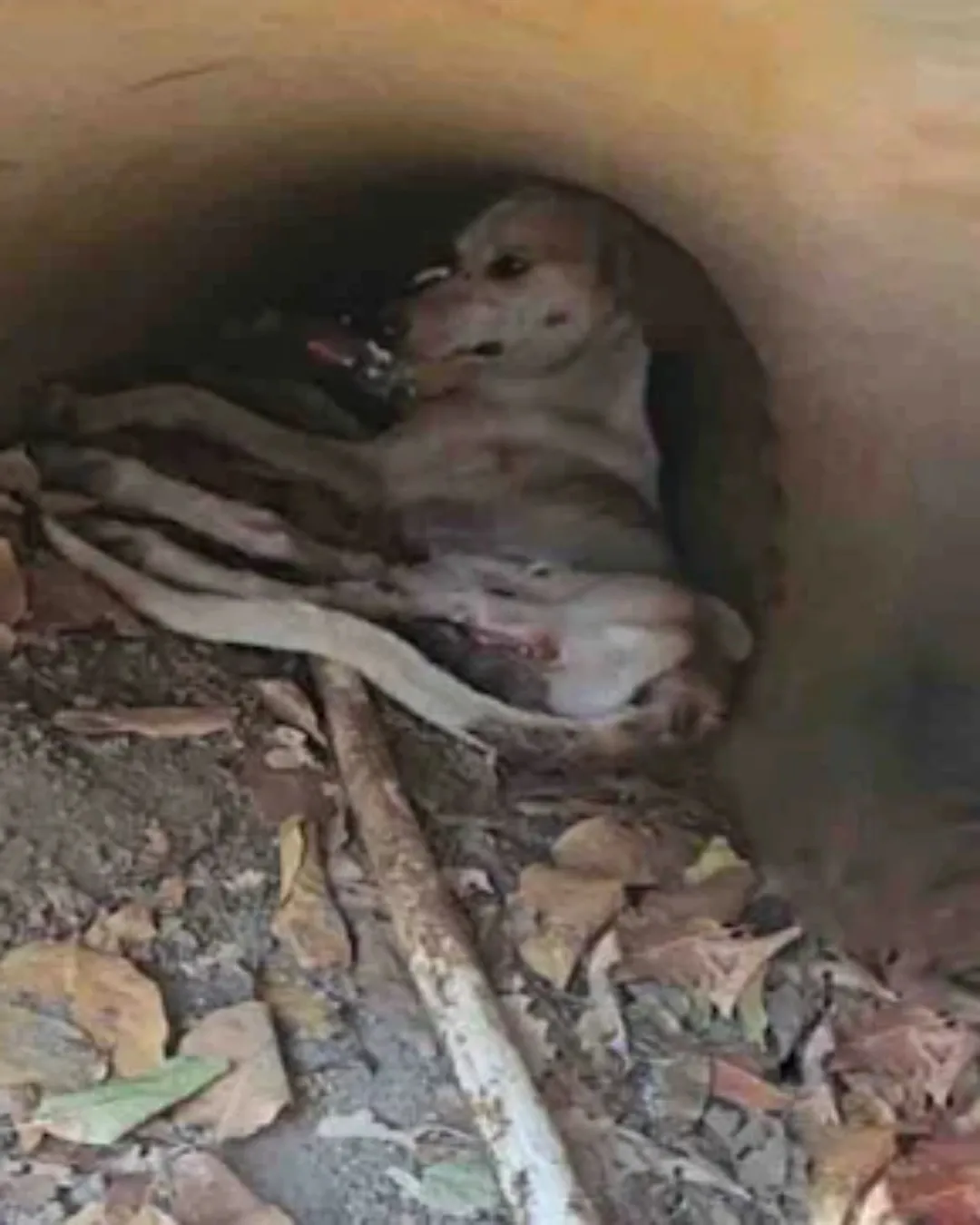
When rescuers first approached Polito, he wanted nothing to do with them. His body trembled, his eyes darted in fear, and every muscle seemed ready to flee. Life on the streets had taught him one painful lesson — that people could not be trusted. It took time, patience, and countless gentle words before Polito finally stopped running. Slowly, he let someone near. Slowly, he allowed himself to hope.
When he was finally brought to the veterinary hospital, Polito remained uneasy. Every sound, every movement made him flinch. The years of hardship had left scars not just on his body, but deep within his spirit. The veterinarians worked carefully, speaking softly as they examined him, knowing that healing a frightened soul takes more than medicine.

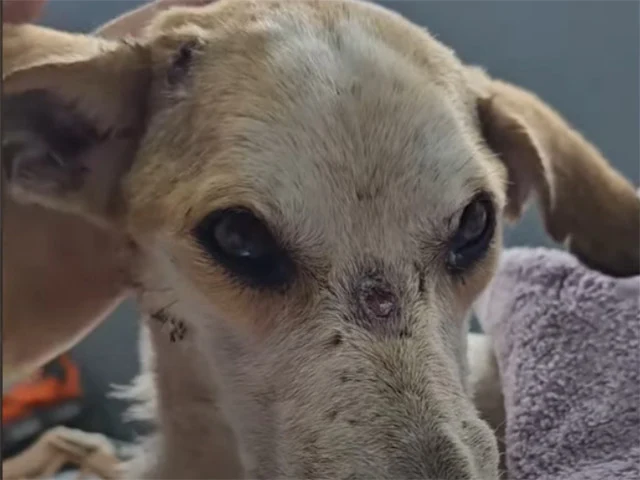
The diagnosis was heartbreaking. Polito was suffering from transmissible venereal tumor (TVT) — a disease sadly common among street dogs, passed easily between the abandoned and forgotten. The treatment would require multiple rounds of chemotherapy, a long and difficult road for a dog who had already endured too much.
Physically, he was weak — his ribs visible beneath his dull coat, his bloodwork showing dangerously low hemoglobin levels. But what worried the vets even more was his heart. Polito had stopped eating. He would turn his head away from food, curling up silently in the corner of his kennel, eyes vacant and defeated. It was as though he had given up on life itself.
The veterinary team refused to let that happen. They prepared a special high-nutrition formula designed for dogs too frail to eat on their own. Gently, spoon by spoon, they fed him through a syringe, whispering to him, stroking his head, telling him he wasn’t alone anymore. They cared not just for his body, but for his trust — rebuilding, moment by moment, what the world had broken.
And then, one morning, something miraculous happened.
Polito took a bite on his own. Just a small one — but enough to make the room fall silent with joy. The vets smiled, the rescuers cried, and from that moment on, everything began to change. His appetite slowly returned, and with it, so did the spark in his eyes. He began to recognize the faces that surrounded him each day. His tail wagged softly when they called his name. He leaned into their touch, uncertain but longing for connection.
It was as if Polito was rediscovering what it meant to be loved.
Under the care of compassionate specialists at the Servivet Veterinary Clinic, Polito began his chemotherapy sessions. Each visit was a test of strength, but he faced it with quiet courage. The treatments were harsh, leaving him tired and weak, yet he never complained. He seemed to understand that the pain was temporary — that this time, suffering was leading him toward healing.
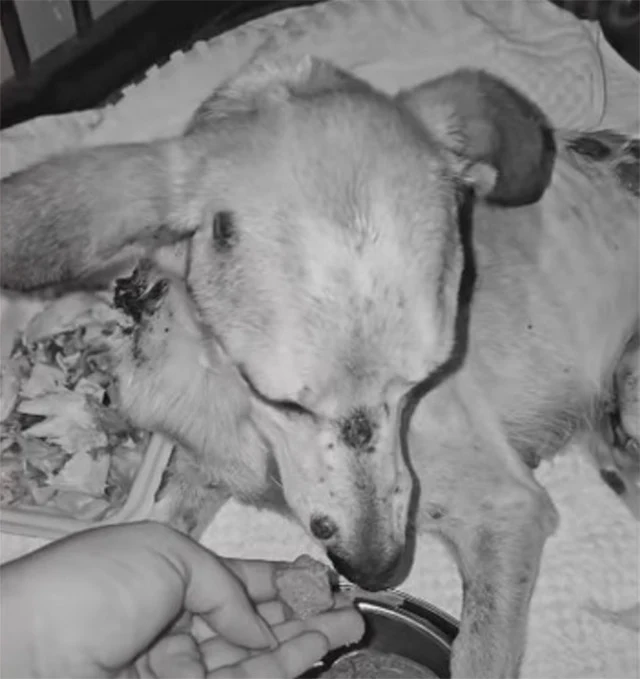
As the weeks passed, progress became visible. The tumors that had once caused him agony began to shrink. The swelling eased, his fur started to regain its shine, and the once-empty look in his eyes was replaced by life. The staff couldn’t help but smile every time they saw him trotting down the hallway, tail wagging proudly — a survivor rediscovering his joy.
The clinic shared updates often, and people from all over began following his journey, cheering for his recovery. “He’s doing so well,” a volunteer wrote. “He’s gaining weight, his bloodwork is improving, and best of all — he’s happy.”
Polito’s transformation was more than physical. He was learning to trust again, to play, to accept love. He had gone from refusing food to eagerly eating from his bowl, from hiding in corners to seeking out cuddles. Each small step forward was a victory, not just for him, but for everyone who believed that love could mend even the most broken hearts.

Though Polito’s fight isn’t over, the hardest part — loneliness — is behind him. His treatments continue, but he no longer faces them alone. Surrounded by people who adore him, by hands that heal instead of hurt, Polito has found what every dog deserves: safety, comfort, and hope.
His journey is a powerful reminder that healing isn’t just about curing disease — it’s about restoring faith. Polito’s courage shows us how resilient the heart can be, how even the most wounded soul can find its way back to trust when met with compassion.
From a frightened stray who once hid from the world to a brave survivor wagging his tail with pride, Polito’s story shines as proof that love truly has the power to transform. And when he finally finds his forever home — one filled with warmth, kindness, and peace — it will be the life he always deserved.
Because sometimes, the greatest recovery begins not with