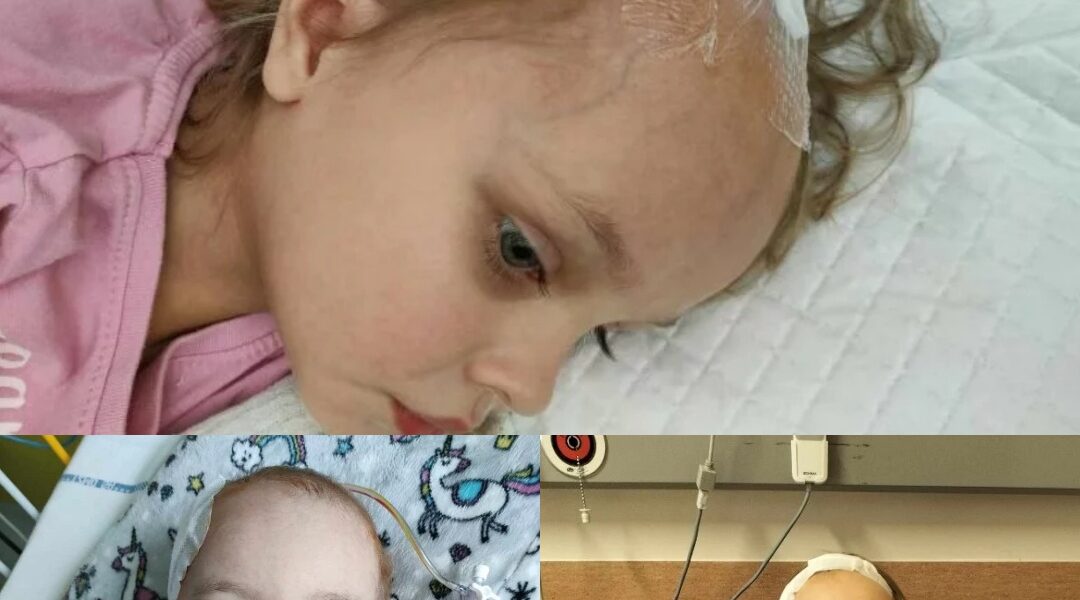

In 2022, our lives were turned upside down. Our little girl, Klaudia, just shy of three and a half years old, had always been cheerful, playful, and full of the curiosity that fills every preschooler’s day. She loved her toys, her friends, and the simple joys of childhood. And then, in a sudden, devastating moment, everything changed.
Klaudia began to lose her strength. She developed severe headaches, persistent vomiting, and strange changes in her vision — one eye strayed from focus, and her eyelid drooped. The panic and fear that consumed us as parents were indescribable. We rushed her to the hospital, and after tests, we received the words no parent ever wants to hear: she had a 6 x 4.5 x 4 cm polomyxoid astrocytoma, a rare and dangerous brain tumor. It was located at the border of the right thalamus and third ventricle, infiltrating crucial areas of her brain, including the right globus pallidus and hypothalamus. Hydrocephalus had developed because the tumor blocked the flow of cerebrospinal fluid, putting her delicate brain under immense pressure.
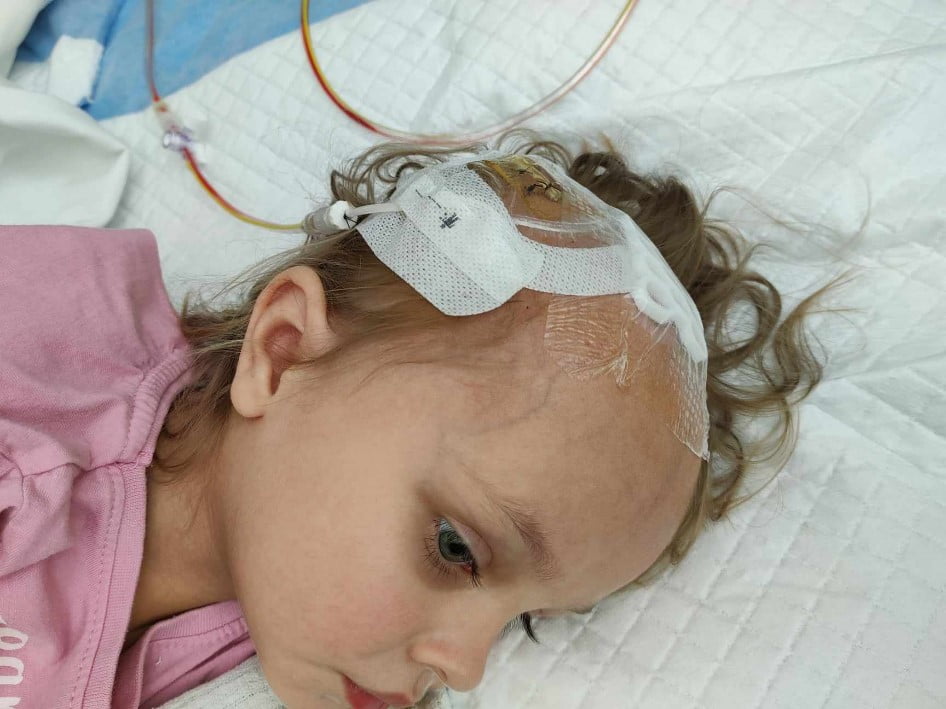
The journey that followed was unimaginably painful. Over three months in the hospital, Klaudia underwent five head surgeries and two external ventricular drainage procedures. For 32 days, she remained bedridden, relearning to walk each step at a time after these grueling operations. Despite the skill of her surgeons, only a partial resection was possible. A ventriculoperitoneal shunt was inserted to drain excess fluid, but complications were relentless. A week later, Klaudia developed a fever and severe abdominal pain; the shunt had become infected and had to be removed. She endured another month in the hospital, further surgery, treatments for the infection, and two additional weeks of bed rest. Finally, after such an ordeal, she left the hospital without a shunt, returning home on her own, though fragile and scarred by months of relentless struggle.
For less than a year, we believed we had survived the worst. Klaudia returned to some semblance of normalcy, attending preschool when possible, undergoing occasional endocrine and ophthalmological checkups, participating in rehabilitation, and enduring MRI scans every six months. We clung to hope. We dared to imagine that, despite everything, our little girl could still have a full, happy life.
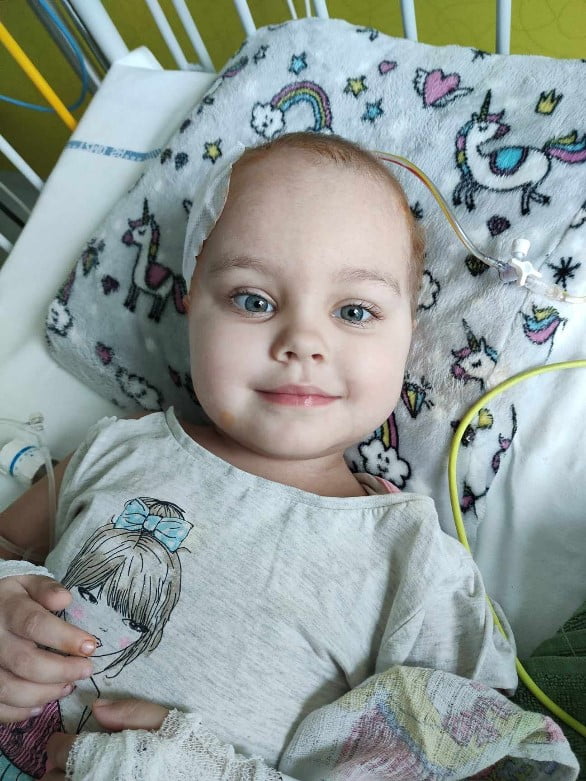
But in 2023, the nightmare returned. The remaining tumor tissue began to grow, creating increased intracranial pressure and blocking the proper flow of cerebrospinal fluid. Klaudia could no longer cope without surgical intervention, and the shunt had to be reinserted. She returned to preschool and her everyday activities once again, though the shadow of her condition never truly left us.
Over time, we sought every available avenue for help. We consulted doctors across Poland and reached out to parents of children with the same rare tumor, searching for answers and solutions. Sadly, the tumor’s location is exceptionally delicate, too risky for her neurosurgeons to access fully. Every scan, every doctor visit, brought new anxiety, as we faced the cruel reality that her tumor could continue growing unchecked.
Recently, Klaudia underwent her sixth surgery — a staggering number for such a tiny head. Once again, the operation was only partially successful; as the doctors said, they did what they could “within reason.” The surgery was essential to prevent further brain damage, epilepsy, and the progressive paralysis that threatened her mobility and independence. The road ahead is long and uncertain, but her parents remain steadfast.
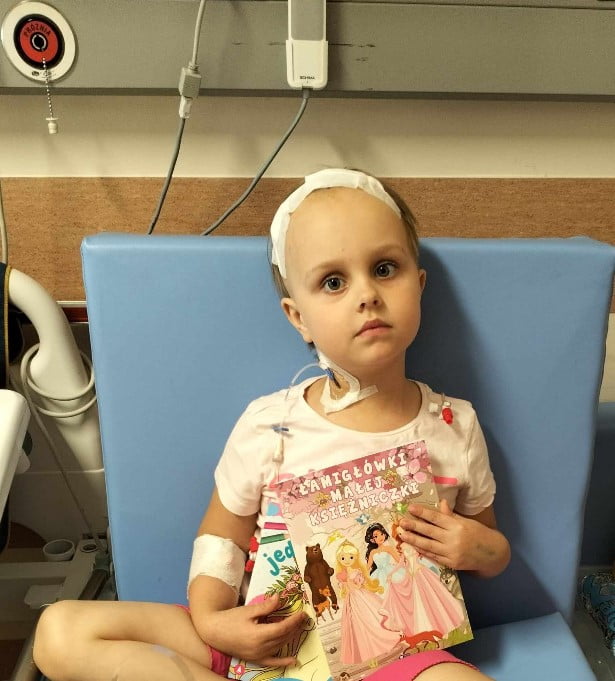
We are holding onto every ounce of hope and strength we have. We believe that complete removal of the tumor is possible — and that Klaudia deserves a life free from fear, pain, and limitation. Every day, we see her resilience, her courage, and her determination to reclaim the childhood that the illness has stolen from her. Her laughter, her curiosity, and her simple joys remind us why we fight.
But this fight cannot be fought alone. Klaudia requires not only expert surgical care, but also intensive rehabilitation, constant monitoring, and long-term therapy to support her recovery. Every step, every therapy session, every supportive intervention brings her closer to the life she deserves. And every effort requires resources that are beyond our reach.
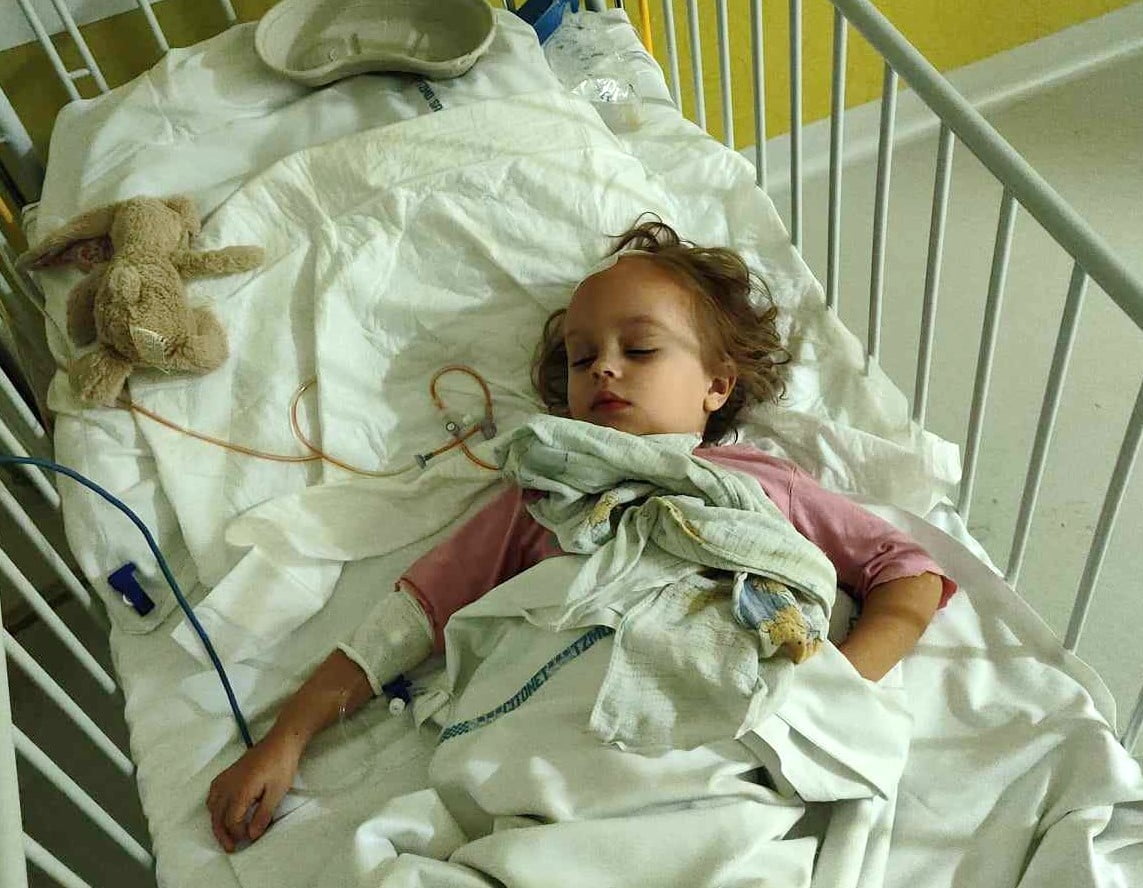
Our plea is simple: help Klaudia live. Help her have the chance to run, to learn, to play, to dream — to experience the same joys that should be the right of every child. Every act of kindness, every donation, every shared story helps carry her one step closer to healing.
Klaudia is not just a patient; she is our daughter, our joy, and our inspiration. Her brother, her family, and everyone who loves her are standing beside her in this fight. Together, we believe that her courage, combined with the generosity and support of others, can turn a seemingly impossible battle into hope realized.
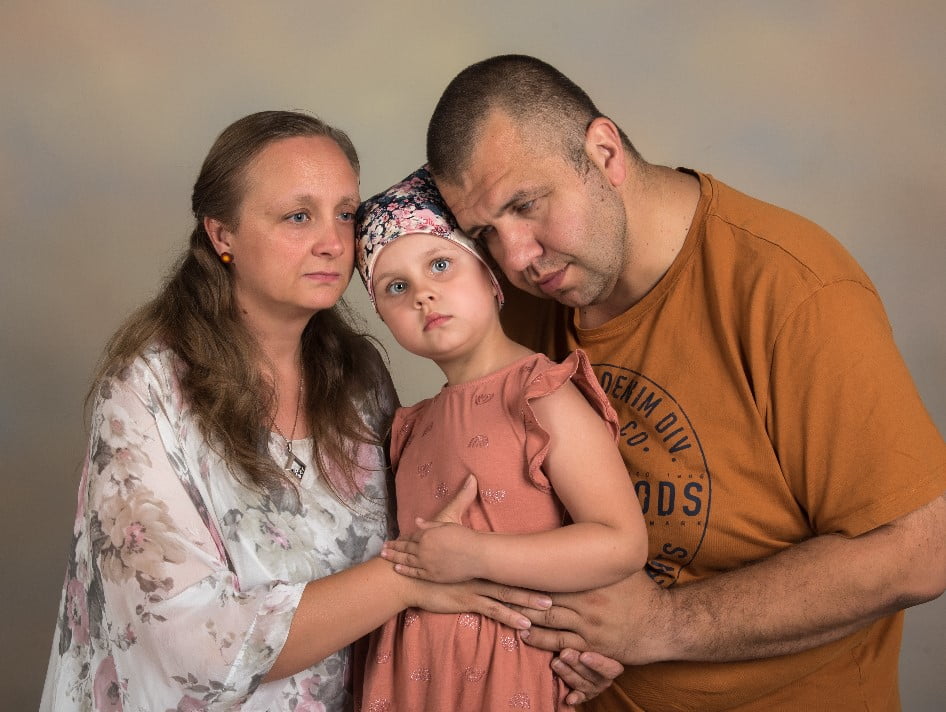
For Klaudia, every day matters. Every opportunity for treatment matters. Every gesture of support matters. And with your help, we can give her a chance to live fully, freely, and joyfully — as every child deserves.
Parents and Brother
Vika: One Minute Changed Everything, Now We Fight For Life.3454

I still cannot understand how a single minute can destroy an entire life. One ordinary moment, one quiet evening, and suddenly the world you know collapses into fear, silence, and unbearable uncertainty. My daughter Vika is only fourteen years old, yet she found herself standing on the edge between life and a place from which so many never return.
April 9, 2024 is a date I cannot say out loud without my hands trembling. That day, Vika came home from a walk just like any other child her age—smiling, lively, carefree, full of plans and laughter. Twenty minutes later, everything was gone. The phone rang, and her voice on the other end was filled with terror: “Dad… I have a sharp headache… I can’t feel my arms… my legs… and I can’t see well.” In that moment, time froze.
Within minutes we were running to the ambulance, clinging to hope that this was some terrible mistake. But only minutes later, right inside the ambulance, our little girl lost consciousness and fell into a coma. That was the moment our old life ended. Everything before that second belonged to a different world, one that no longer existed.
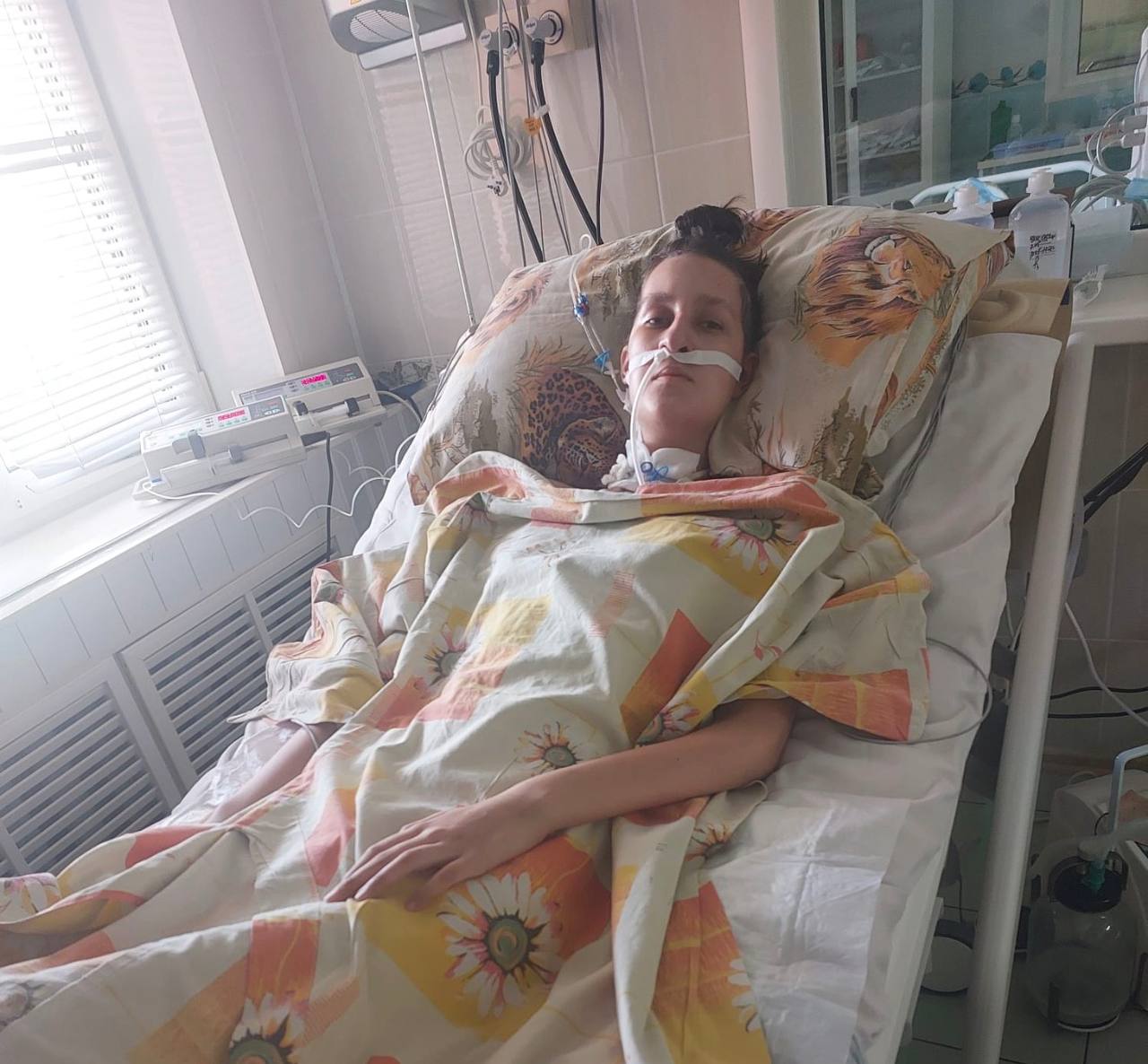
In the intensive care unit, doctors performed an emergency CT scan and revealed the unimaginable. Vika had suffered an intracerebral hemorrhage in the cerebellum, with blood flooding into the ventricles and forming a massive hematoma. During resuscitation, her lung was damaged, causing a pneumothorax. The doctors avoided our eyes and quietly said the words no parent should ever hear: “Our only hope is in God.”
What followed were months of relentless fighting for her life. Vika lay unconscious, connected to machines that breathed for her and supported her heart with adrenaline. Her body, once strong and full of energy, began to waste away, unable to absorb nourishment. She was so small, so fragile, and completely defenseless. We lived beside her hospital bed, counting every hour, terrified that her heart might stop at any moment.
And then, against all odds, a miracle happened—one that only God can explain. Slowly, painfully, life began to return. After a month, her heart started beating without support. Then she was able to drink water for the first time. Then came ten grams of feeding through a tube. But instead of hope, doctors warned us that she would never breathe, move, or feed herself independently, and that her consciousness might never return. Those words burned into our souls.
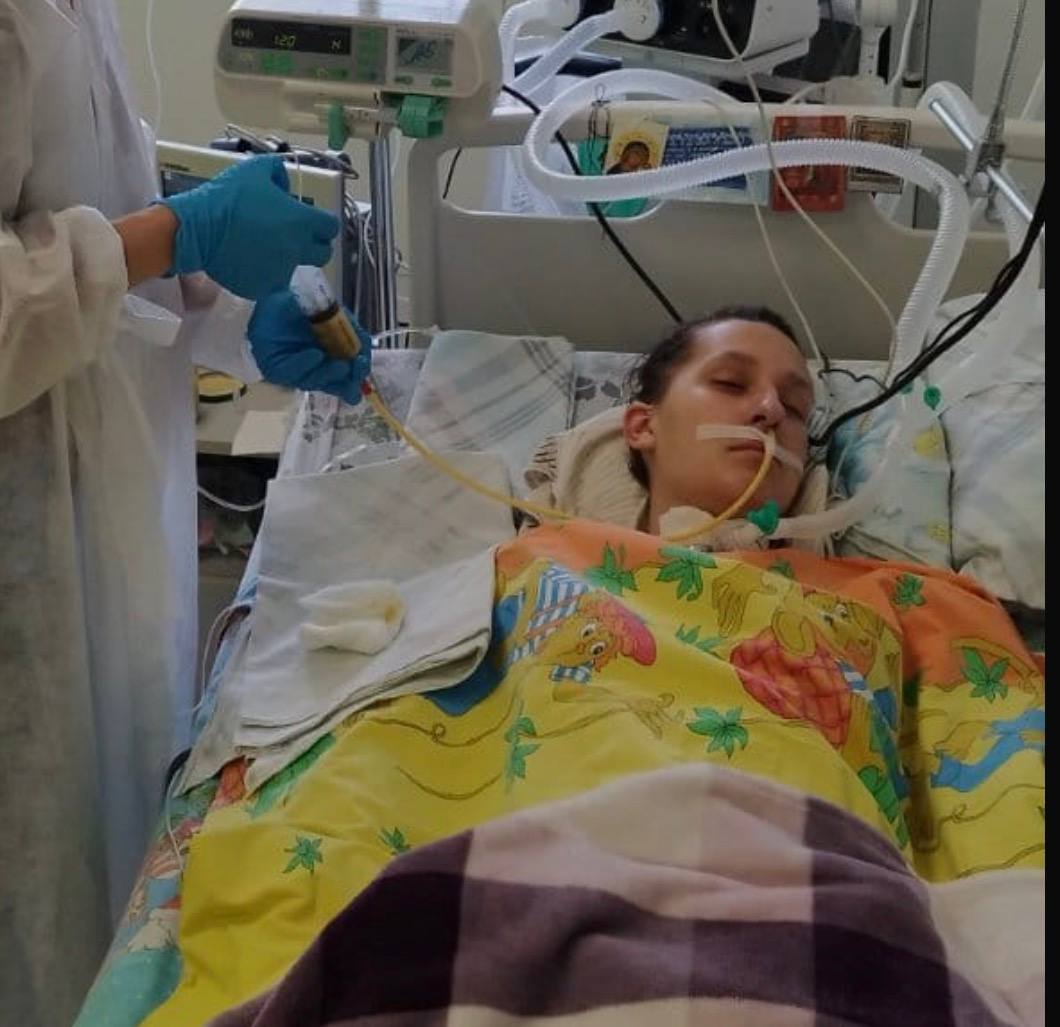
Still, we refused to surrender. We transferred Vika to another intensive care unit, then to Moscow, to the Roshal Research Institute. There, for the first time in months, she was placed in a wheelchair and then onto a standing frame. And there, finally, we heard words that terrified us yet gave us life: “There is a chance. She can recover.”
From that moment on, our lives became an endless road of rehabilitation. We passed through “Three Sisters,” “Medsi,” and “Yantar.” We paid every ruble we could gather, every cent from family, friends, and kind strangers who believed in Vika’s life. We lived from session to session, from small improvement to tiny victory.
Now, more than a year later, Vika is coming back to us. She recognizes us, hears us, understands what we say. She can hold her head up, sit independently, and her muscles are slowly awakening. Her arms and legs are beginning to respond to her effort. Every movement is a battle, every step is painful, but she is fighting. She is alive. She is returning.
And yet, the cruel truth remains: if we stop now, everything she has regained can disappear. Her brain needs constant rehabilitation, daily stimulation, and specialized care. Without it, all this suffering, all this progress, will be lost.
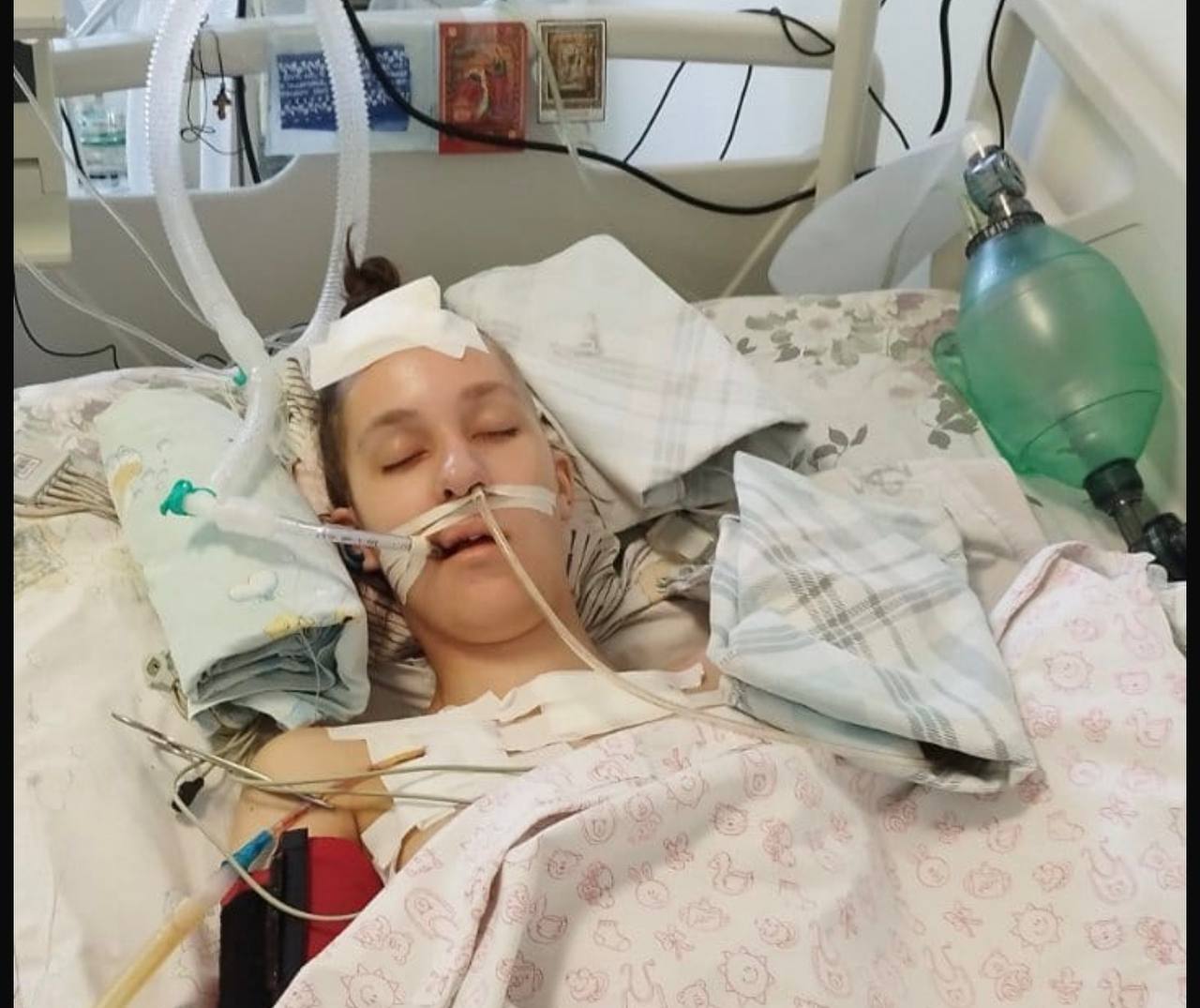
We are completely exhausted—emotionally, physically, and financially. Every resource we had has been spent. Every donation went toward keeping our daughter alive. We can no longer afford the treatment ourselves.
Now we desperately need to continue rehabilitation at the Yantar Clinic, where Vika has shown the greatest progress. The next course costs 700,000 rubles—an amount impossible for our family. But without it, we risk losing everything we fought for over the past year and a half.
We beg everyone who reads these words: help our daughter not return to darkness. Help her learn to move again, to hold a spoon, to say her first word. Help her simply live. April 9 destroyed our family’s world, but we believe that compassion and kindness can help bring Vika back to life.
🙏💔