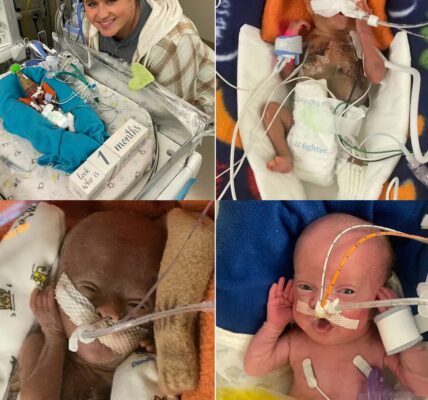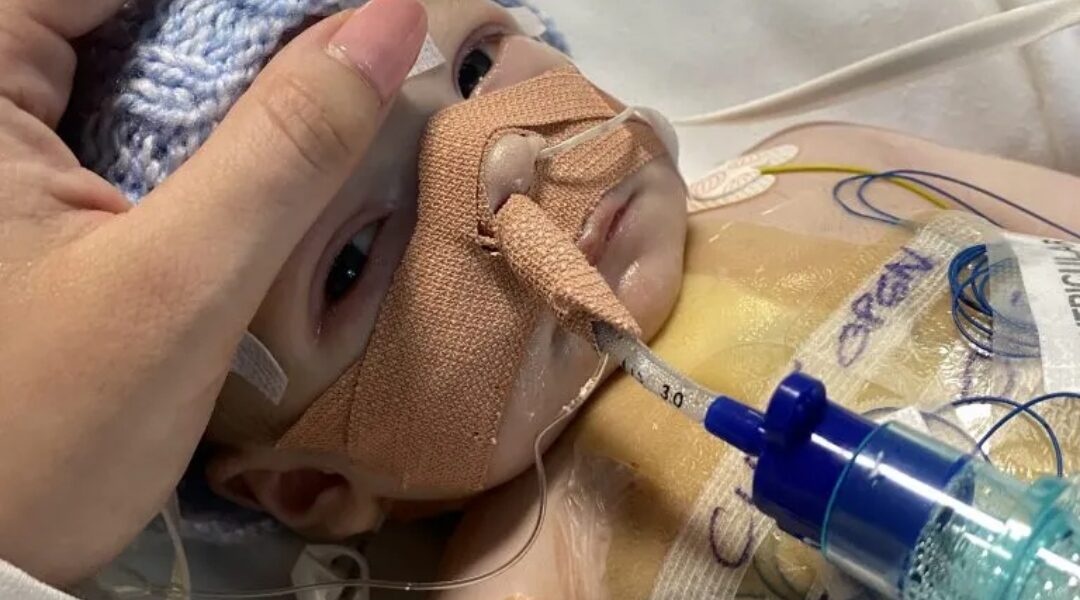

Callan’s journey began long before he took his first breath. Natalie and her partner had been preparing for their baby’s arrival, attending scans and prenatal appointments with excitement and anticipation. At the 20-week anomaly scan, everything had seemed normal, until the sonographer paused at Callan’s heart. She noted what appeared to be an extra vein and recommended a referral to Fetal Medicine. Natalie remembers the anxiety that followed—the uncertainty, the waiting, and the hope that this was a minor issue.
At Fetal Medicine, Callan was seen multiple times. The doctors diagnosed a bilateral superior vena cava (SVC), reassuring Natalie and her partner that it was nothing to worry about. They were told everything else appeared normal and that, once born, Callan would receive one scan and be signed off. Natalie’s relief was tempered by unease, but she trusted the professionals. She had no idea that the quiet unease would soon turn into a life-or-death struggle for her newborn.

Callan was born on 4th June via caesarean section, a beautiful and healthy baby in appearance. His parents brought him home, excited to start life as a family. For the first ten days, he seemed well, but Natalie began noticing small warning signs. Callan was feeding poorly, vomiting after every feed, and struggling to take in sufficient milk. His breathing seemed fast, labored, and irregular. She tried to raise her concerns with medical staff, but was repeatedly reassured that he was fine.
However, Natalie’s instincts told her otherwise. She refused to ignore the signs and arranged for an echocardiogram through the cardiac nurse specialist. The following day, she brought Callan back to the children’s A&E despite being told nothing was wrong the day before. This decision may have saved his life. What unfolded next was like a scene from a hospital drama: Callan’s condition deteriorated rapidly, and he was rushed for immediate assessment. Doctors were alarmed. They observed signs of heart failure, and it became clear that Callan’s tiny body was struggling to survive.

The diagnosis came the next day: Coarctation of the Aorta (CoA), a narrowing of the aorta that restricts blood flow and puts enormous strain on the heart. In addition, Callan was found to have a
bicuspid valve, though fortunately functioning adequately. The news hit Natalie and her partner like a thunderbolt. They were warned the road ahead could be long and fraught with challenges, potentially taking weeks before surgery could be safely performed.
Callan’s operation was scheduled two days after diagnosis. Natalie remembers that day vividly—the waiting, the fear, and the helplessness. The thought of her newborn undergoing surgery to correct a critical heart defect was almost unbearable. She recalls running to the ICU after receiving a call from the surgeon, feeling sick to her stomach, overwhelmed by the fear of losing her child.
Despite the intense anxiety, the surgery was a success. Callan’s tiny heart was corrected, and he began the slow process of recovery. He spent six days in ICU, closely monitored by a dedicated team of doctors and nurses. Natalie describes the experience as emotionally exhausting, yet witnessing her son grow stronger each day was profoundly rewarding. Following his ICU stay, Callan was discharged to the general ward for another week, and the medical team expressed relief and pride at his rapid progress. The consultant who had initially feared a prolonged hospital stay came to visit and acknowledged how Callan had defied expectations.
Even after discharge, the journey was not over. Callan continued regular cardiology check-ups to monitor his heart and ensure the CoA correction remained stable. His parents were attentive to every milestone—his feeding, breathing, and energy levels. Despite the trauma, Callan thrived. By 15 weeks post-operation, he was a healthy, joyful baby, with no outward signs of the life-threatening condition he had overcome.
Reflecting on Callan’s story, Natalie emphasizes the importance of early detection. She notes that if the heart defect had been identified prenatally, they could have prepared mentally and medically for the surgery, reducing stress and risk for both baby and parents. She also highlights the need for
pulse oximetry screening in all hospitals, a vital tool that could detect low oxygen levels indicative of serious heart defects.

Natalie credits Tiny Tickers with providing invaluable support during the ordeal. The charity’s resources, guidance, and stories of other families navigating congenital heart disease offered reassurance and hope. For Natalie, connecting with a community that understood her fears and challenges was crucial in maintaining her emotional well-being.
Today, Callan is thriving, full of energy, and a source of immense joy to his family. He smiles, plays, and grows stronger every day, embodying resilience and the triumph of life over adversity. The early detection and swift medical intervention gave him the chance to live and flourish—a testament to the skill of the medical teams and the vigilance of parents who trust their instincts.
Callan’s story is a powerful reminder that even when initial scans appear normal, parental observation is crucial. His journey highlights the importance of listening to parents’ concerns, the life-saving potential of prompt diagnosis, and the extraordinary resilience of infants facing critical congenital heart defects. Through this story, Natalie hopes to raise awareness, support early screening, and inspire other families navigating similar challenges.
Man’s Quiet Beach Cleanup Inspires Community Action

In a world that often feels overwhelming and disconnected, there are still moments that remind us of the power of individual action. One such moment came when a man in Noosa, Australia, decided to take matters into his own hands by cleaning up a local beach on his own.
His quiet, persistent effort not only made a visible difference in the environment but also sparked a wave of community involvement and environmental consciousness.
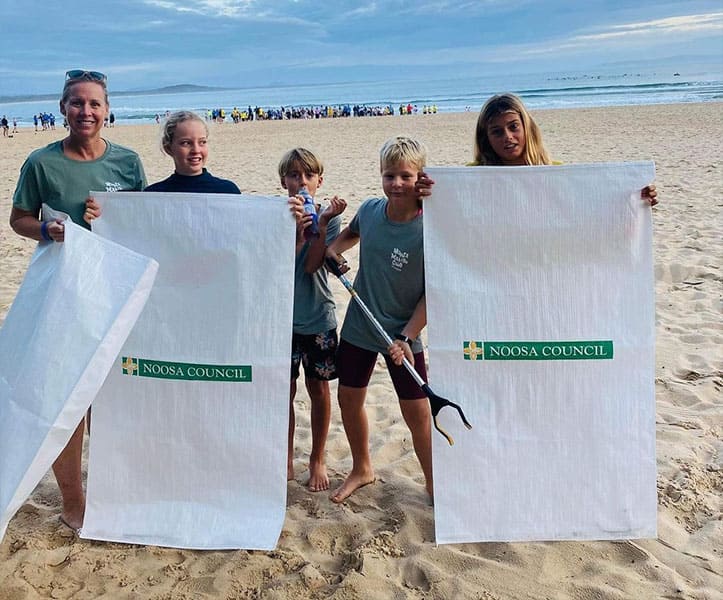
It all began on a warm Saturday morning when a man, who preferred to remain anonymous, decided to visit his local beach. Upon arriving, he noticed the increasing amount of plastic waste, litter, and general debris that had accumulated along the shoreline.
He didn’t wait for someone else to address the issue. Instead, he rolled up his sleeves, grabbed a trash bag, and began picking up the scattered rubbish, one piece at a time.
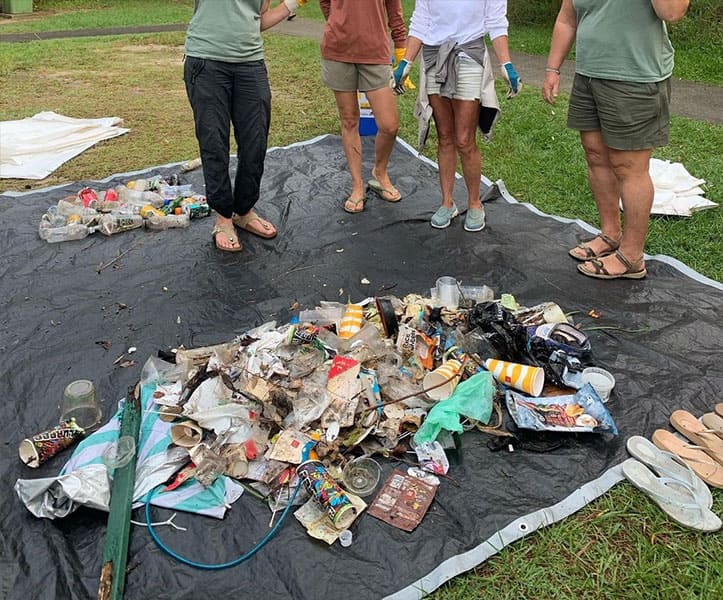
For hours, he worked tirelessly, collecting plastic bottles, wrappers, cigarette butts, and various forms of waste that had been left behind by beachgoers.
There was no fanfare or crowd cheering him on, just a man and his mission to restore some semblance of cleanliness to the natural environment he loved. When he finished, the beach looked dramatically different—cleaner, fresher, and more inviting.
However, this man didn’t stop there. He shared his beach cleanup experience on social media, encouraging others to take part in similar efforts. He posted photos of the piles of litter he had collected, along with a simple message: “We all can make a difference. Let’s work together to keep our beaches beautiful.”
The response was overwhelming. Soon, people from the local community, as well as people from neighboring areas, began showing up to help. What had started as a single person’s initiative turned into a full-fledged community cleanup event.
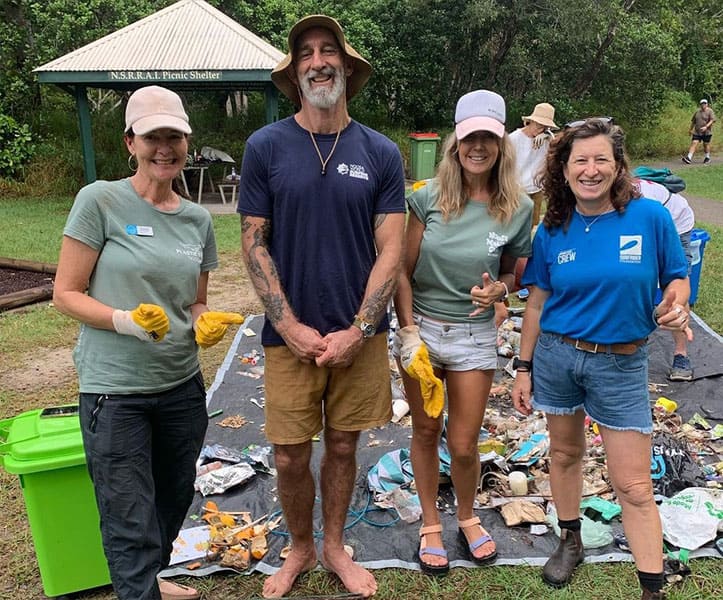
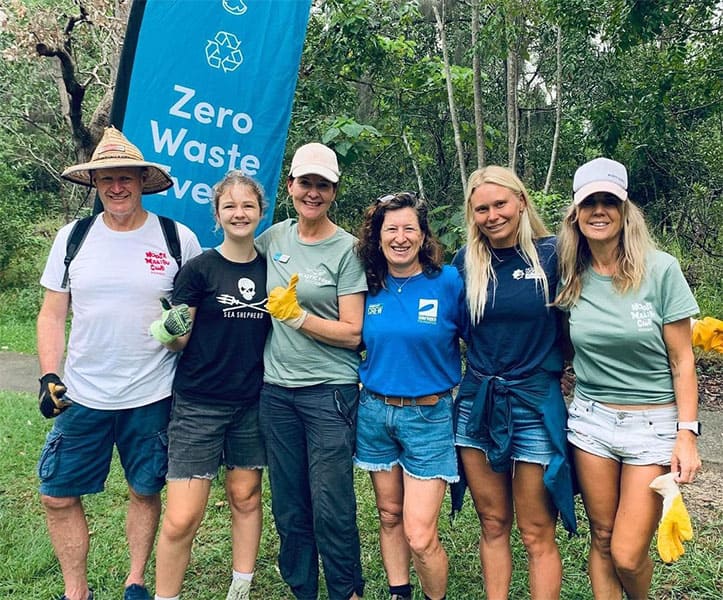
Volunteers of all ages gathered on the beach to collect trash, sort recyclables, and make the beach a cleaner, more welcoming place for everyone.
This spontaneous gathering of like-minded individuals not only made a tangible impact on the local environment but also brought the community closer together. People who had never met before worked side by side for a common cause, creating connections and forging new friendships in the process.
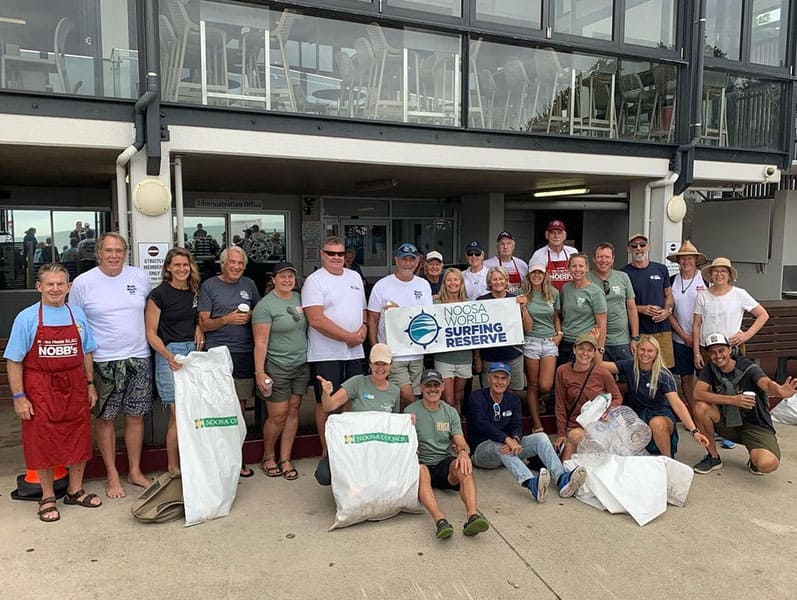
In a world that sometimes feels fragmented, the power of shared effort and collective responsibility became abundantly clear.
The cleanup didn’t just end at the beach. The event sparked a larger conversation about waste reduction and environmental responsibility within the community. Local schools started teaching children about the importance of reducing waste, recycling, and caring for the environment.
Businesses began to adopt more sustainable practices, and more community members took part in regular cleanups. The man’s simple act of picking up trash had ignited a broader movement.
Soon, Noosa’s beach became a model for other towns and cities around the country. The message was clear: individual actions matter, and when people come together, they can create a significant impact.
It showed that we don’t always need grand gestures or elaborate plans to make a difference; sometimes, it starts with just one person doing something small to improve the world around them.
The man who started it all, while still preferring to remain nameless, received countless messages of gratitude and appreciation from those who had been inspired by his actions. He remained humble, insisting that he was just one person doing what he felt was right. “It’s not about recognition,” he said. “It’s about making sure that we all take care of the world we live in.
If I can inspire even one person to care more about our environment, then it’s been worth it.”
His message continues to resonate today, reminding all of us that change doesn’t have to be loud or attention-grabbing—it can be quiet, steady, and impactful. It’s a testament to the fact that when individuals take responsibility for their actions and act with purpose, they can inspire others to do the same.