BREAKING: Memo to Congress Claims NO PROBABLE CAUSE in Biden Raid on Mar-a-Lago…

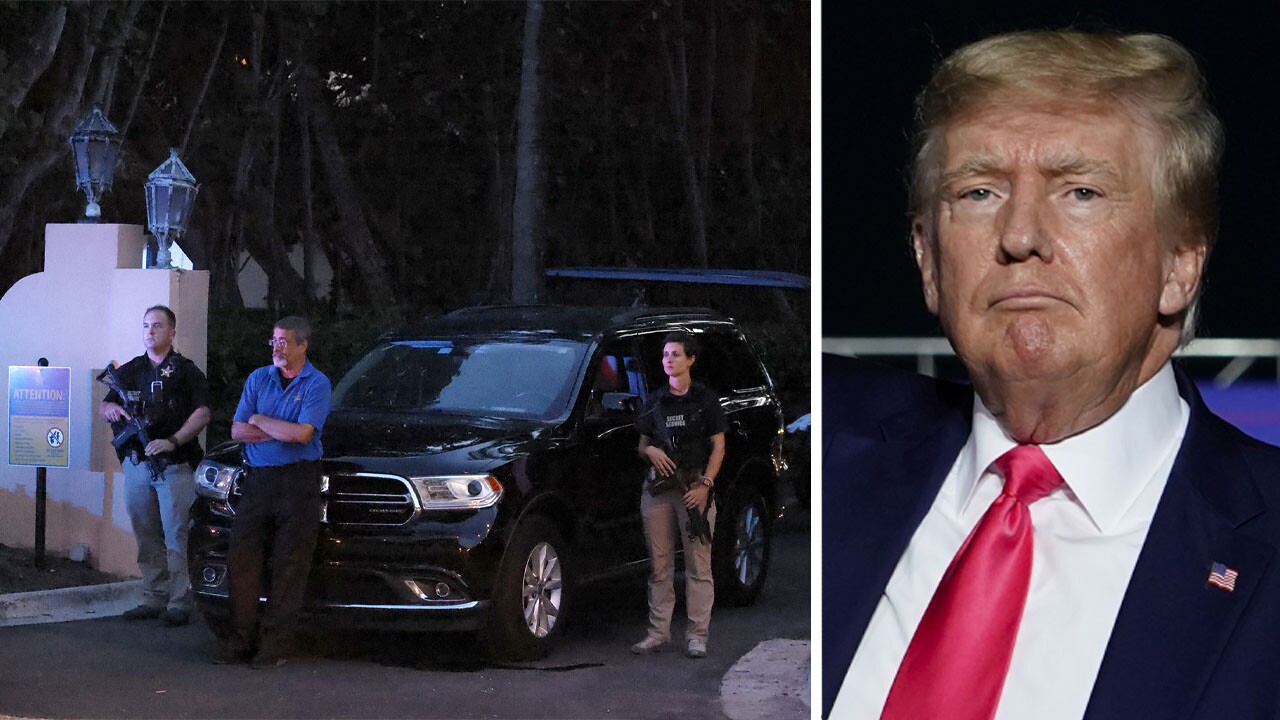
Newly released FBI records are reigniting outrage over the August 2022 raid on President Donald Trump’s Mar-a-Lago estate, revealing that federal agents themselves doubted they had probable cause to carry out the unprecedented search.
The bombshell disclosures show the FBI spent weeks attempting to justify a warrant but failed to uncover sufficient evidence, only to be overruled by the Biden Department of Justice.
Internal emails obtained and released by Sen. Chuck Grassley of Iowa confirm that senior FBI officials repeatedly warned DOJ leaders that the legal threshold for a raid had not been met.
One FBI official bluntly admitted, “We haven’t generated any new facts, but keep being given draft after draft after draft.”
The same official questioned how long agents were expected to push forward without evidence, asking, “Absent a witness coming forward with recent information about classified on site, at what point is it fair to table this?”
Despite those concerns, DOJ officials pressed ahead, making clear they were uninterested in caution, restraint, or public trust.
In one explosive exchange, a senior DOJ official reportedly declared that he “frankly didn’t give a damn about the optics” of raiding a former president’s home.
That attitude now sits at the center of conservative accusations that federal law enforcement was weaponized against Trump for political reasons.
Grassley described the records as “shocking,” emphasizing that “the FBI DID NOT BELIEVE IT HAD PROBABLE CAUSE to raid Pres Trump’s Mar-a-Lago home but Biden DOJ pushed for it anyway.”
The documents show FBI leaders urged less intrusive alternatives, including further cooperation with Trump’s legal team.
An FBI agent wrote that “a reasonable conversation with the former president’s attorney ought not to be discounted,” warning that a raid could prove “counterproductive.”
Those warnings were ignored.
On August 8, 2022, dozens of FBI agents descended on Mar-a-Lago while Trump was away, entering private living quarters and even Melania Trump’s bedroom.
Trump later said agents “raided and occupied” his home and broke into a personal safe, a claim supported by later disclosures.
Emails also reveal that DOJ officials had been preparing for a search warrant weeks earlier, even while acknowledging gaps in evidence.
One FBI official admitted the information supporting the warrant was “single source, has not been corroborated, and may be dated.”
Yet DOJ leaders insisted the warrant met probable cause standards, expanding the scope to include nearly every area of the property.
The raid became a defining symbol for conservatives who argue the Biden administration used federal power to target its chief political rival.
Trump responded at the time, stating, “After working and cooperating with the relevant Government agencies, this unannounced raid on my home was not necessary or appropriate.”
The legal case stemming from the raid later collapsed.
Federal Judge Aileen Cannon dismissed Special Counsel Jack Smith’s prosecution, ruling that Smith had been unlawfully appointed without congressional approval.
That ruling further fueled conservative claims that the entire operation was flawed from the start.
FBI Assistant Director Marshall Yates said the release of the records was meant to restore public trust, though critics argue the disclosures only confirm long-held suspicions.
For millions of Americans, the emails validate fears that federal institutions abandoned neutrality in pursuit of political outcomes.