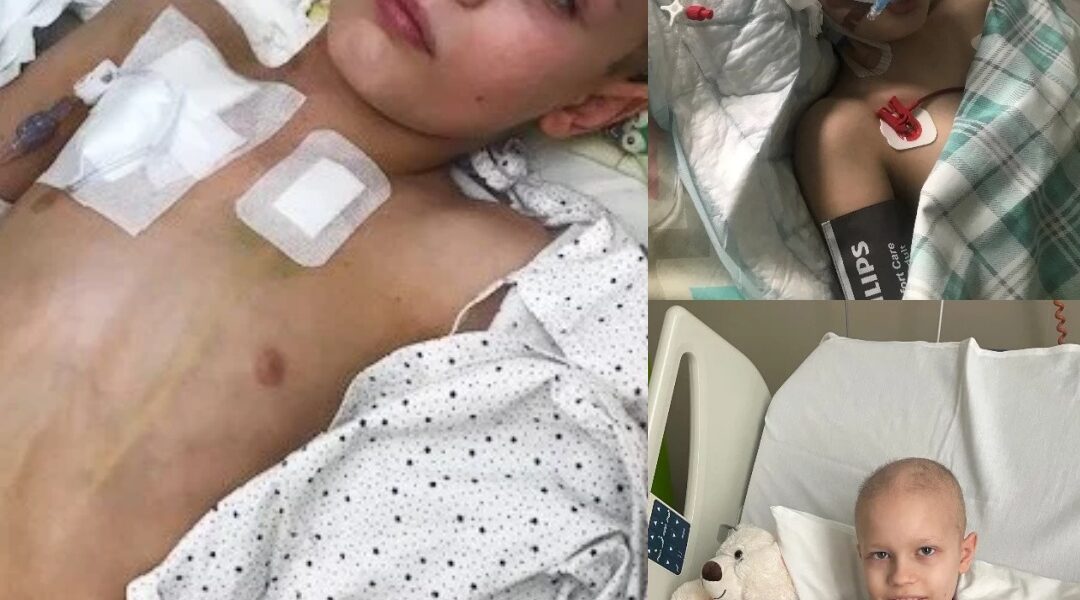

On February 21, 2023, our lives changed forever. Our beloved son, Adrian, was diagnosed with a malignant brain tumor in the cerebellum — stage IV medulloblastoma. The news shattered our world in an instant. Two hours later, we were on a plane heading straight to surgery. As his mother, I tried to remain strong, smiling through tears, stroking his hair, and showing him the city lights from above to distract him from the nightmare that had just begun. We could not yet imagine how long and grueling this journey would be, nor the challenges that lay ahead.
Adrian’s fight has been nothing short of extraordinary. Now nine years old, he has already endured three major brain surgeries, multiple cycles of chemotherapy, and proton therapy in Germany
. His first days after surgery were devastating; he could barely speak or walk, and for a while, he seemed like a child suspended between life and nothingness. Yet, even in the darkest moments, his spirit remained unbroken. With the guidance of dedicated doctors and therapists, Adrian gradually began to regain speech and mobility, relearning the very skills that cancer and surgery had taken from him.
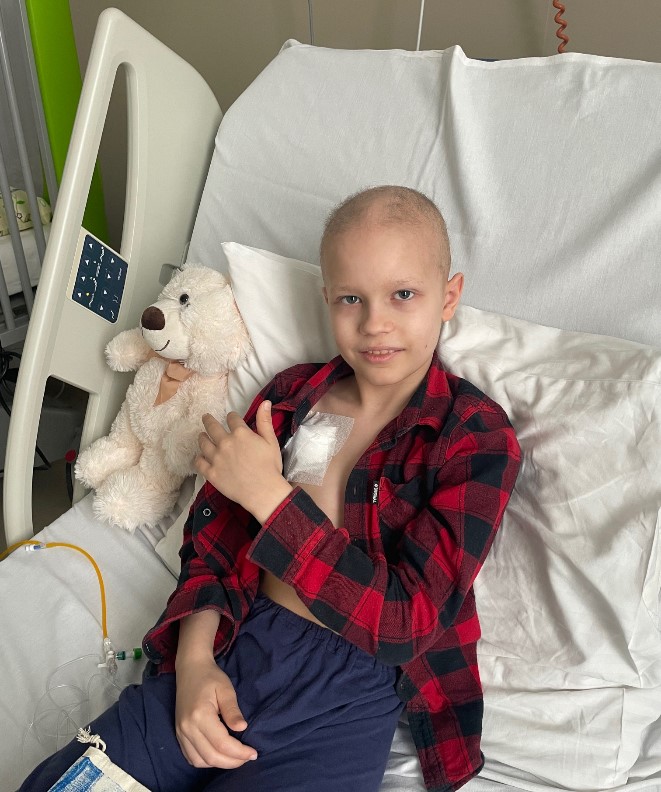
His treatment has been relentless and exhausting. Adrian has completed four cycles of induction chemotherapy and recently underwent the seventh cycle of maintenance chemotherapy. Each round has left his small body weak and fatigued. The side effects are severe: constant nausea, vomiting, headaches, significant weight loss, double vision, and ongoing balance issues. The 30 proton therapy sessions in Germany required him to lie completely still for long periods, a feat that would be difficult for any child, yet he endured it all with courage. Despite the physical and emotional toll, he continues to persevere, never allowing the disease to define him.
Adrian’s daily life has been filled with both small triumphs and heartbreaking setbacks. Each new skill regained — standing steadily, speaking clearly, or walking short distances — is a victory against the odds. He struggles to climb or descend stairs and cannot yet run freely, but he keeps trying. Every step he takes, every word he speaks, is a testament to his determination and the strength of his young body and spirit. His resilience has inspired everyone around him, from family to medical staff, who have watched this brave little boy grow stronger, even in the face of relentless adversity.
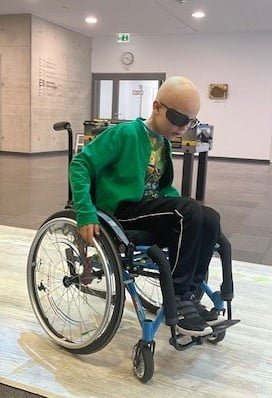
Adrian dreams of a normal childhood — one without hospital visits, IV lines, or medical procedures. He longs to play with his friends, attend school without fear, and run freely on playgrounds. Each question he asks, “Mom, when will I be healthy? Why does this illness last so long?” is a reminder of how unfair this disease is, yet it also strengthens our resolve. His innocence and bravery motivate us every day to fight alongside him, to provide him with the care he needs, and to never lose hope.
The coming weeks are critical. Adrian is preparing for his eighth stage of maintenance chemotherapy, which will begin on May 22, 2025. His body is already exhausted, and the next steps in his treatment will require intensive care, ongoing monitoring, and rehabilitation. Every day presents a challenge, as the lingering effects of surgery and chemotherapy continue to impact his growth, balance, and vision. Yet Adrian shows a remarkable will to fight. Even in pain, he smiles, laughs, and encourages his parents with his sheer bravery.
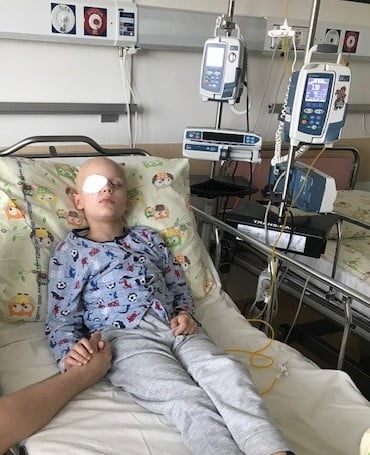
As his parents, we have witnessed the full weight of this illness — the sleepless nights, the fear, the endless waiting for test results, and the emotional toll of seeing our child suffer. But we have also witnessed extraordinary courage, determination, and hope. Adrian is learning to walk and talk again, to live and breathe despite what cancer has tried to steal from him. Every day he defies the odds, and every moment of progress gives us hope that he will eventually reclaim the childhood that cancer has taken from him.
Our fight continues, and the road ahead remains uncertain and expensive. The costs of treatment, follow-ups, proton therapy, and rehabilitation are overwhelming, but every step is necessary to save Adrian’s life. We are asking for help to ensure he can continue his treatment and eventually enjoy the childhood he deserves — one filled with laughter, play, and normalcy. Every donation, prayer, and message of support brings us closer to that goal.
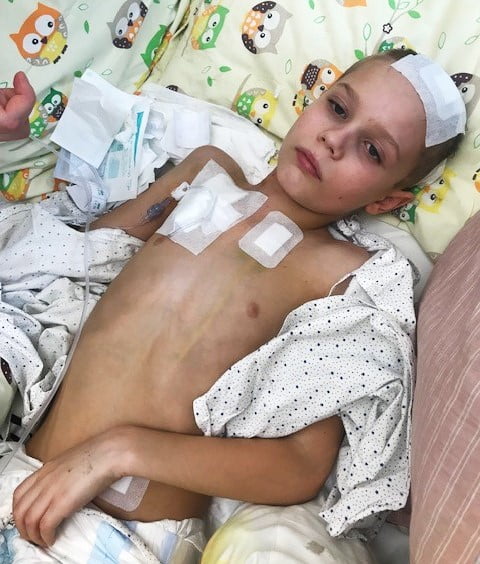
Adrian’s story is a testament to resilience, love, and the strength of the human spirit. Despite everything, he continues to fight, refusing to give in, and teaching everyone around him the meaning of true bravery. With your help, we can give Adrian the chance to survive, to thrive, and to one day enjoy a life beyond cancer.
Please join us in helping save Adrian’s life — every moment counts, and every act of kindness brings hope.
With gratitude,
Adrian’s Parents
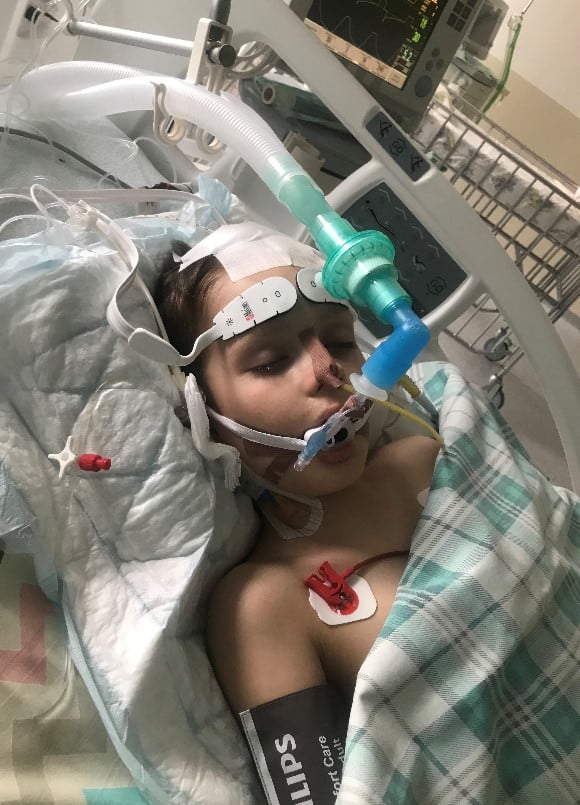
The Little Redhead Who Left Light Everywhere: The Unforgettable Journey of Amy.1860

Amy was the kind of child who changed the temperature of a room the moment she walked into it — a whirlwind of fiery red hair, unstoppable energy, and a laugh that made people turn and smile without even knowing why. She loved ballet, even though her spins were wobbly and enthusiastic rather than graceful. She loved fishing trips with her dad, proudly holding up even the tiniest catch as if she had conquered the world. She loved cracking jokes, pulling silly faces, and doing anything that made others laugh. Amy was joy in motion — fierce, bright, and impossible to forget.
But not long after her seventh birthday, subtle changes began to appear. Her balance seemed off. She stumbled more often. Her speech became slightly slurred, and her smile — once wide and effortless — grew uneven. At first, her parents hoped it was just fatigue, maybe a passing infection, something simple, something harmless. But deep down, a quiet fear began to form. As the symptoms worsened, they rushed her to doctors, clinging to hope even as dread tightened inside their chests.

The diagnosis shattered their world: Diffuse Intrinsic Pontine Glioma (DIPG). A rare, aggressive, inoperable brainstem tumor. A disease with no cure. A prognosis measured not in years, but in months. Her parents heard the words no family should ever have to hear — “There is nothing we can surgically do.” “Treatment won’t save her, only ease symptoms.” “Spend time with her. Make memories.” The ground beneath them seemed to disappear.
And yet, in the face of that truth, Amy refused to let her light dim.
Radiation brought temporary improvement. For a while, she laughed again, played again, danced again. She filled her hospital room with crafts, drawings, jokes, and songs — making nurses stop in the hallway just to listen. She decorated the bland beige walls with rainbows made from construction paper and glitter she somehow smuggled into every appointment. Even on her hardest days, she found ways to give. She made handmade cards for other sick children, telling them they were brave. She insisted on giving her favorite stickers to younger patients. She held her parents’ hands and whispered, “I love you so, so much,” with a sincerity that broke them open.

But DIPG is relentless. And eventually, the tumor returned, growing rapidly, stealing more of what Amy loved: her balance, her independence, her voice. Her world narrowed to hospital beds, wheelchairs, and long nights where her parents sat awake, watching her breathe, wishing they could trade places with her. But even then, Amy’s spirit — astonishingly — remained whole. She still tried to tell jokes, even when the words came out slurred. She still made art, even when her hands shook. She still celebrated family milestones, insisting on birthday hats and handwritten signs. She still gave love, fiercely, fearlessly.
Sixteen months after her diagnosis, on a quiet day surrounded by the people who adored her, Amy slipped away.
The world felt colder without her. Her parents moved through their home like ghosts, touching her toys, her drawings, her ballet shoes, all the fragments of a childhood interrupted. Grief settled into every corner of their lives — heavy, suffocating, unimaginable.

But then something extraordinary happened.
A few weeks after her passing, her mother opened a drawer and found a folded piece of paper. Inside, in Amy’s messy handwriting, were the words, “I love you, Mum.” They thought it was a random leftover note — until more began to appear. One tucked inside a cookbook. One hidden between pages of a bedtime story. One inside a sock drawer. One inside a craft box. Some were drawings. Some were crooked hearts. Some were little jokes she had written in advance. They found more during the following months, scattered throughout their home like tiny time capsules of love.
Amy, in her short, brilliant life, had been leaving them messages — tiny reminders that she was still with them, still loving them, still bringing light into their darkness.

Her notes became their lifeline, their comfort, their reminder that even in the face of unimaginable cruelty, love can leave traces powerful enough to outlast loss. Amy’s story is heartbreaking, but it is also profound. She taught everyone who knew her what it means to live fully, laugh loudly, love fiercely, and give generously — even when life is unfair. Especially when life is unfair.
Amy may be gone, but her love — hidden in drawers, tucked in books, written in shaky red crayon — continues to touch, to heal, and to inspire. Her light didn’t fade. It scattered. And it still shines.