
My name is Franciszek, and my life began with a loss so sudden and devastating that it reshaped everything before I even took my first breath. In a matter of minutes, my entire world collapsed. My twin brother—my closest companion, my first friend, the only family I had ever known—died moments after we were born. I survived, but only just. From the very beginning, I was left balancing on the fragile edge between life and death.
It all started six months into my mother’s pregnancy, when something went terribly wrong. Without warning, my brother’s placenta began to detach. Doctors had only minutes to act. An emergency decision was made to perform a cesarean section immediately. If they waited even a moment longer, we could both die—along with our mother. There was no time to prepare, no time to hope. Only time to act.
The delivery room was filled with urgency, fear, and then an unbearable silence. My brother and I were born far too early. Our lungs were not ready. We could not breathe on our own. Machines rushed in to do what our tiny bodies could not yet manage. My mother watched in horror, unable to understand what was happening, terrified to ask the question that echoed in her heart:
Will my babies survive?
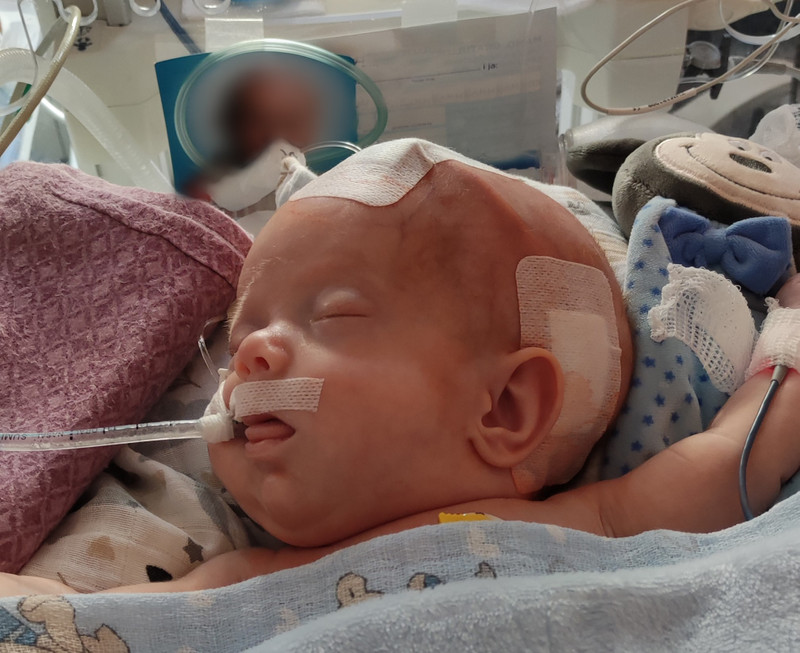
We were rushed to the neonatal ward, surrounded by wires, tubes, and blinking monitors. For a brief moment, there was hope. But only a few hours later, my brother slipped away. The twin I had shared a womb with, the heartbeat I had known my entire existence, was gone. My father never even had the chance to see him or say goodbye. The grief that followed was overwhelming, crushing my parents with sorrow and fear—fear that they might lose me too.
In that moment, something inside me seemed to awaken. Even as a newborn fighting for breath, I understood that I could not give up. I could not leave my parents with nothing. I had to fight—not only for myself, but for my brother too.
The first day passed. Then the second. Doctors said I was doing well. Hope began to flicker. And then, without warning, everything changed again. I suffered a brain hemorrhage. The consequences were devastating. Hydrocephalus followed quickly, and I was transferred to another hospital for emergency surgery. Once again, my life hung in the balance.
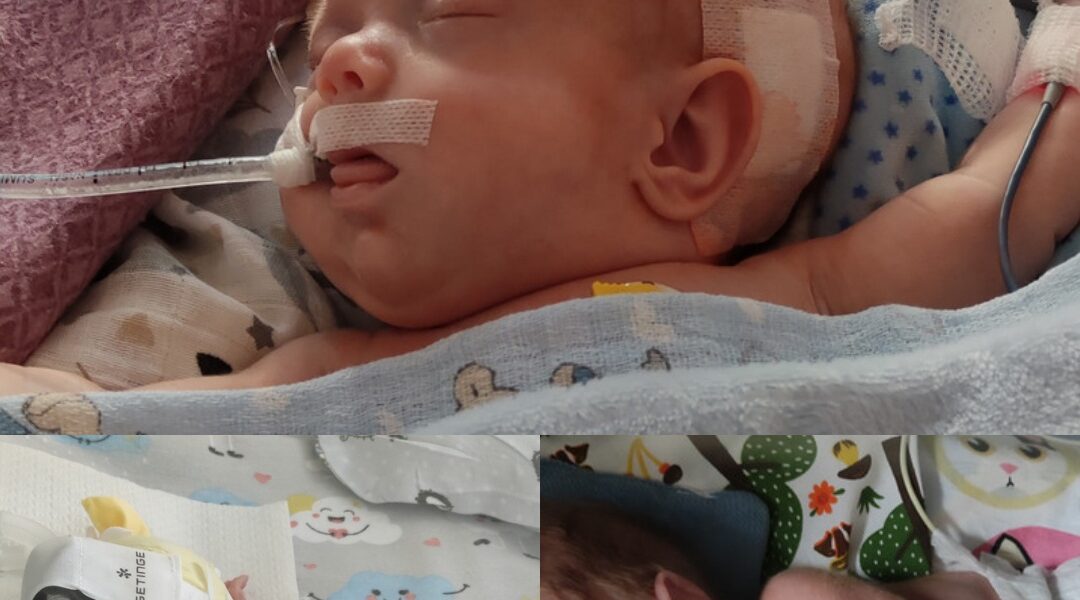
The operation was successful—or so it seemed. Just as my parents dared to breathe again, sepsis struck. My body swelled so badly that I became almost unrecognizable. I barely survived the night. Nutrition was delivered through a tube inserted directly into my stomach, an uncomfortable and painful process that required constant care to prevent infection. Later, the tube was moved to my nose—a small relief in a long journey filled with discomfort.
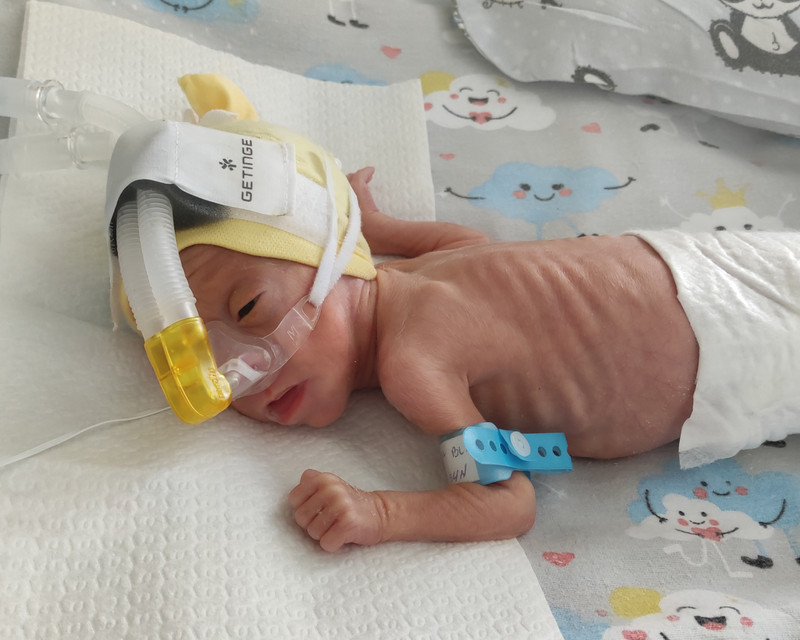
As I grew stronger and began to open my eyes, discovering the world with wonder, another challenge appeared. My vision required urgent treatment using advanced laser therapy. I was sent to yet another specialist hospital. This time, the procedure went according to plan. I learned how to drink from a bottle. Doctors began to talk about sending me home. It felt like maybe—just maybe—I had suffered enough for one tiny life.
But hope faded once more. My head began to grow at an alarming rate—sometimes as much as two centimeters a day. I lost my appetite. I grew weaker. The pressure inside my head became so severe that I was once again at risk of dying. Doctors implanted a Rickham reservoir to drain excess fluid from my brain, but the fluid kept returning. Two weeks later, I underwent yet another surgery to implant a ventriculoperitoneal shunt.
The pain after that operation was unbearable. Doctors were forced to place me into a medically induced coma.
When I finally woke up, after four long months of being moved between hospitals, I was allowed to go home. Home—without my brother. The absence is something I will carry forever. But I believe with all my heart that he would want me to live, to heal, and to experience joy for both of us.
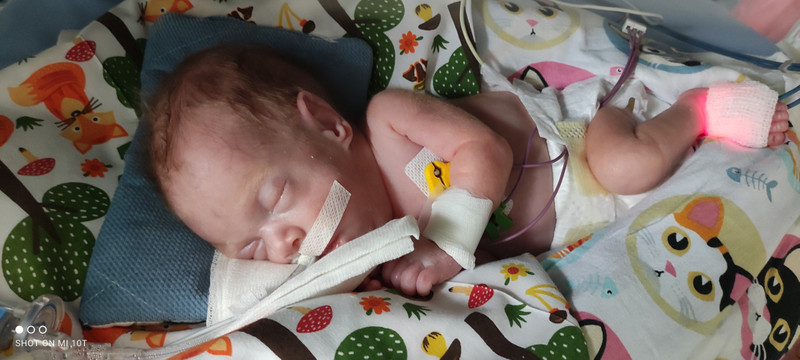
To make that possible, I need help. My future depends on intensive, ongoing rehabilitation, specialist care, and continued treatment. Without consistent therapy, the consequences could follow me for the rest of my life. But with it, there is hope—hope that one day I might be independent, that I won’t need round-the-clock care, that I can have something close to a normal childhood.
Please help while there is still hope. I promise I will keep fighting—for myself and for my brother. I will endure even the painful exercises. Just don’t give up on me. Because sometimes, the smallest support—even a symbolic donation—can change the course of an entire life.
Page 2
My name is Franciszek, and my life began with a loss so sudden and devastating that it reshaped everything before I even took my first breath. In a matter of minutes, my entire world collapsed. My twin brother—my closest companion, my first friend, the only family I had ever known—died moments after we were born. I survived, but only just. From the very beginning, I was left balancing on the fragile edge between life and death.
It all started six months into my mother’s pregnancy, when something went terribly wrong. Without warning, my brother’s placenta began to detach. Doctors had only minutes to act. An emergency decision was made to perform a cesarean section immediately. If they waited even a moment longer, we could both die—along with our mother. There was no time to prepare, no time to hope. Only time to act.
The delivery room was filled with urgency, fear, and then an unbearable silence. My brother and I were born far too early. Our lungs were not ready. We could not breathe on our own. Machines rushed in to do what our tiny bodies could not yet manage. My mother watched in horror, unable to understand what was happening, terrified to ask the question that echoed in her heart:
Will my babies survive?
We were rushed to the neonatal ward, surrounded by wires, tubes, and blinking monitors. For a brief moment, there was hope. But only a few hours later, my brother slipped away. The twin I had shared a womb with, the heartbeat I had known my entire existence, was gone. My father never even had the chance to see him or say goodbye. The grief that followed was overwhelming, crushing my parents with sorrow and fear—fear that they might lose me too.
In that moment, something inside me seemed to awaken. Even as a newborn fighting for breath, I understood that I could not give up. I could not leave my parents with nothing. I had to fight—not only for myself, but for my brother too.
The first day passed. Then the second. Doctors said I was doing well. Hope began to flicker. And then, without warning, everything changed again. I suffered a brain hemorrhage. The consequences were devastating. Hydrocephalus followed quickly, and I was transferred to another hospital for emergency surgery. Once again, my life hung in the balance.
The operation was successful—or so it seemed. Just as my parents dared to breathe again, sepsis struck. My body swelled so badly that I became almost unrecognizable. I barely survived the night. Nutrition was delivered through a tube inserted directly into my stomach, an uncomfortable and painful process that required constant care to prevent infection. Later, the tube was moved to my nose—a small relief in a long journey filled with discomfort.
As I grew stronger and began to open my eyes, discovering the world with wonder, another challenge appeared. My vision required urgent treatment using advanced laser therapy. I was sent to yet another specialist hospital. This time, the procedure went according to plan. I learned how to drink from a bottle. Doctors began to talk about sending me home. It felt like maybe—just maybe—I had suffered enough for one tiny life.
But hope faded once more. My head began to grow at an alarming rate—sometimes as much as two centimeters a day. I lost my appetite. I grew weaker. The pressure inside my head became so severe that I was once again at risk of dying. Doctors implanted a Rickham reservoir to drain excess fluid from my brain, but the fluid kept returning. Two weeks later, I underwent yet another surgery to implant a ventriculoperitoneal shunt.
The pain after that operation was unbearable. Doctors were forced to place me into a medically induced coma.
When I finally woke up, after four long months of being moved between hospitals, I was allowed to go home. Home—without my brother. The absence is something I will carry forever. But I believe with all my heart that he would want me to live, to heal, and to experience joy for both of us.
To make that possible, I need help. My future depends on intensive, ongoing rehabilitation, specialist care, and continued treatment. Without consistent therapy, the consequences could follow me for the rest of my life. But with it, there is hope—hope that one day I might be independent, that I won’t need round-the-clock care, that I can have something close to a normal childhood.
Please help while there is still hope. I promise I will keep fighting—for myself and for my brother. I will endure even the painful exercises. Just don’t give up on me. Because sometimes, the smallest support—even a symbolic donation—can change the course of an entire life.