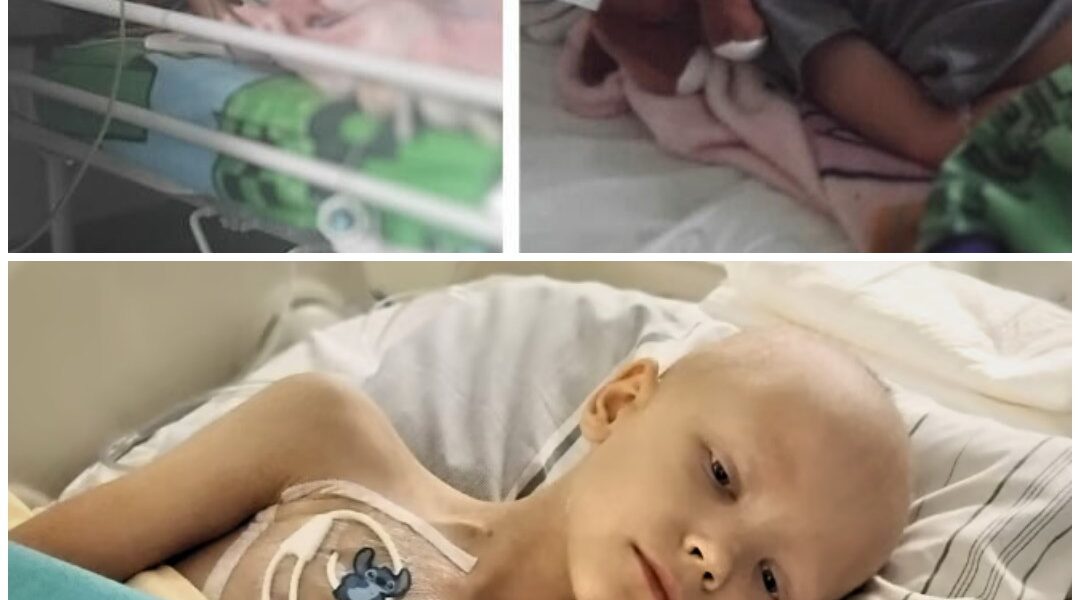

Aleksander Kleszer, known to his family as Oluś, is only six years old, yet he has faced battles most adults could scarcely imagine. A boy who should be running freely, laughing with friends, and exploring the world with carefree delight is instead locked in a fight for his very survival. At such a tender age, he has already come to know the cold and relentless reality of a severe illness that threatens not just his future but his present, every day. The enemy he faces is a neuroblastoma in its most advanced stage, stage IV—a malignant cancer of the nervous system that is notoriously aggressive and exceptionally difficult to treat. For Aleksander, life has become an intricate web of hospital visits, treatments, medications, and the unwavering vigilance of his devoted parents.
The story began innocently enough, with subtle changes in his health that could have been overlooked. He complained of vague pains in his legs, experienced bouts of nausea, and showed signs of fatigue that were atypical for a child of his energy and curiosity. His parents, concerned but hopeful, took him to the local hospital. There, after a series of urgent tests, they received the diagnosis that would shatter their world: neuroblastoma stage IV, a condition so severe that it demanded immediate intervention. In an instant, their lives were no longer guided by ordinary routines or simple pleasures; they became a life dictated by survival, by the necessity to fight a disease that waits for no one.
The first months were grueling. Immediate treatment began, including chemotherapy, designed to slow the growth of the tumor and buy time for further intervention. Every session was a trial of endurance for Aleksander, his tiny body enduring harsh medications that left him weak, nauseated, and exhausted. His parents watched over him, offering comfort, holding his hand through long infusions, wiping tears from his cheeks, and whispering words of encouragement that only a parent could find in such dark hours. The boy learned to endure pain with courage that belied his years, never fully understanding the severity of his condition but trusting implicitly in the love and care surrounding him.
At home, the absence of normal childhood activities weighed heavily. His four-year-old sister watched from a distance, longing for the days when they could play together, unaware of the severity of her brother’s condition. Each evening she would ask when he would come back to play, her innocent questions cutting through the grief that filled the home. The parents, already stretched to the limits of emotional and physical endurance, found themselves juggling medical care, household responsibilities, and the emotional needs of their daughter—all while navigating the complex world of oncology treatments for a child.
Despite the immense challenges, there were moments of hope. After months of chemotherapy, imaging revealed that the tumor had begun to shrink, a sign that Aleksander’s body was responding to treatment. It was a fragile victory, one that offered a glimmer of light amid the darkness. His parents clung to this progress, recognizing that every millimeter of reduction in tumor size represented not just a physical improvement, but a psychological victory, proof that their son’s indomitable spirit and the resilience of his body could defy the odds.
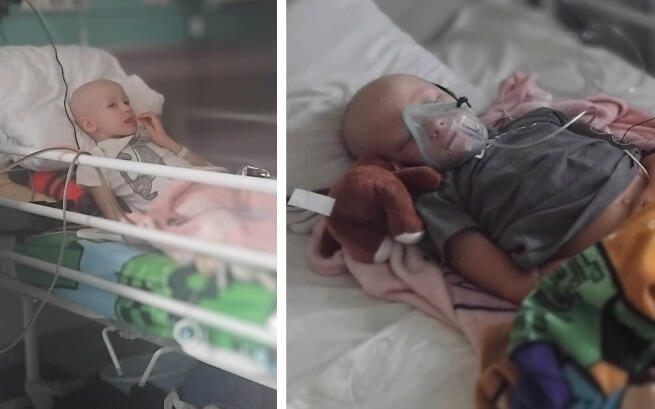
Yet the path forward remained treacherous. Neuroblastoma is notorious for its unpredictability, and while some tumors respond favorably to standard therapies, others require cutting-edge interventions. Aleksander’s medical team identified a potential lifeline: a specialized vaccine designed to prevent recurrence, unavailable in Poland, accessible only through an advanced international clinic. This treatment, highly personalized and expensive, represented perhaps the only chance to give Aleksander a sustained future, to preserve the life and potential of a child who had already endured so much.
The financial burden of such therapy is staggering. The cost of the vaccine, combined with travel expenses, accommodation near the clinic, and additional medications, far exceeds what his family can bear. Each day that passes is a delicate balance between hope and desperation, as every moment delayed in securing treatment increases the risk to Aleksander’s fragile life. Yet, even amid this uncertainty, his parents remain steadfast, launching urgent appeals to the wider community, sharing their son’s story with the world, and asking for help to secure the funds necessary for his survival.
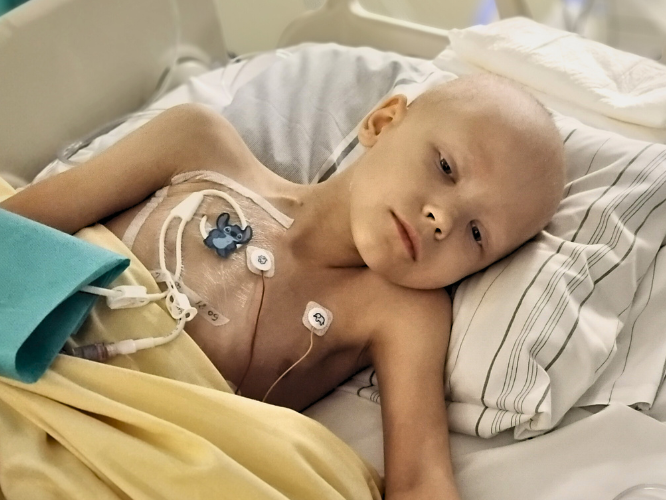
Aleksander’s courage is remarkable. Despite chemotherapy sessions that leave him pale and weak, he retains a playful spark, a curiosity that shines through his fatigue, and an innocence that no illness can entirely suppress. His laughter, when it comes, is a testament to resilience; his smiles, fleeting yet precious, are proof that even in the midst of suffering, a child’s spirit can endure. Every small milestone—a bite of food, a step taken with assistance, a reaction to a familiar voice—is celebrated with the intensity and gratitude reserved for miracles.
His parents’ dedication is extraordinary. Every day, they manage complex medication schedules, ensure that all procedures are followed precisely, and provide constant emotional support. They advocate tirelessly for his care, coordinating with medical specialists, arranging travel logistics for international treatment, and offering Aleksander a semblance of normalcy amid the chaos. Their devotion transforms fear into action, despair into determination, and helplessness into a tangible effort to save their child.
The broader community has responded with extraordinary generosity. Donations have poured in from individuals, organizations, and even strangers moved by the courage of a six-year-old fighting for his life. Each contribution is more than financial support; it is a lifeline, a testament to collective humanity, and a message to Aleksander that the world believes in him, in his right to live, to grow, and to experience a full childhood. Every shared social media post, every forwarded message, every word of encouragement contributes to a network of hope, knitting together resources and emotional support in a tangible form that can directly impact his survival.
Time is critical. Each day delayed in receiving treatment is a risk to Aleksander’s life. The tumor’s aggressiveness leaves no room for procrastination. His family’s appeals highlight not just the urgency of the situation, but the precision with which every step must be taken to preserve his chance at life. The vaccine and associated care represent not just a medical intervention, but a symbol of possibility, a bridge between illness and recovery, between despair and hope.
Throughout his ordeal, Aleksander demonstrates the remarkable resilience of children. Even as he endures pain, discomfort, and fatigue, he maintains a spark of curiosity and joy. His fascination with small details, his response to familiar voices, and his occasional laughter show that his spirit has not been dimmed by disease. These moments, fleeting though they may be, are profoundly impactful for those around him, serving as reminders that hope persists even in the darkest circumstances.
The story of Aleksander also underscores the broader challenges facing pediatric cancer patients. Access to specialized treatments can be limited, costs are prohibitive, and families are often pushed to the brink of emotional and financial exhaustion. The fight against childhood cancer is not only a medical struggle but a societal one, requiring awareness, compassion, and collective action. Aleksander’s case illuminates the need for broader support systems, faster access to innovative therapies, and a coordinated effort to ensure that no child is left behind due to financial constraints.
For his parents, every day is a combination of vigilance, advocacy, and love. They administer medications, ensure that treatment schedules are followed meticulously, and provide constant emotional nurturing. They create moments of joy wherever possible, celebrating every small improvement, holding their son’s hand through every procedure, and maintaining a household environment infused with hope. Their tireless efforts remind us that parental love is not passive but active, transformative, and sometimes the most critical force in a child’s recovery.
Aleksander’s journey has captured hearts far beyond his local community. Stories of his resilience, his family’s devotion, and the urgent call for help have reached thousands, creating a network of empathy and action that exemplifies the power of human solidarity. Each act of kindness is a building block, reinforcing the structure of hope that surrounds him, enabling him to face each new challenge with courage and a renewed chance at life.
Despite the uncertainty, Aleksander’s spirit remains unbroken. He embodies the possibility of survival even in dire circumstances, demonstrating that courage and determination are not confined by age. Every smile, every sign of engagement, every moment of playful curiosity is a testament to the extraordinary resilience of the human spirit, especially within a child facing life-threatening illness.
His story serves as a clarion call, highlighting the critical importance of timely medical intervention, community support, and unwavering advocacy. It reminds us that every child’s life is invaluable and that collective action can provide tangible, life-saving opportunities. Aleksander’s battle is not only about surviving the disease but reclaiming the childhood that illness has interrupted, asserting the right of a child to live fully, learn, play, and dream.
The urgency of Aleksander’s situation cannot be overstated. Each day brings new risks, yet each day also offers the possibility of hope. The vaccine therapy represents a tangible chance to halt disease progression and provide him with a future. In a world where medical innovation and human empathy intersect, Aleksander’s fight exemplifies the profound impact of coordinated action and community generosity. Every contribution, no matter how small, represents a step toward the preservation of his life, the safeguarding of his childhood, and the affirmation of his potential.
As he prepares for treatment abroad, every heartbeat and every small response is a victory. Aleksander’s story is a profound reminder of the vulnerability and resilience of children facing life-threatening illnesses, the extraordinary dedication of parents, and the transformative power of collective human compassion. It is a story that continues to unfold, urging all who hear it to recognize the preciousness of life, the urgency of timely intervention, and the immeasurable value of hope in sustaining it.
Through every moment of struggle, every display of courage, and every small triumph, Aleksander Kleszer teaches those around him the meaning of perseverance, the depth of parental love, and the vital role of community in the fight against disease. His journey, while fraught with uncertainty, illuminates the profound impact of human compassion and action in the face of seemingly insurmountable odds.
Aleksander’s fight is ongoing, and every gesture of support contributes to the preservation of his life and the possibility of a future filled with hope, joy, and the full experience of childhood. He is not merely a patient; he is a symbol of courage, resilience, and the enduring power of human connection. His story is a testament to the fact that even in the darkest times, when illness threatens to overshadow life itself, the collective determination and compassion of humanity can create pathways to survival, healing, and renewed possibility.
Jaxen McCall: Fighting Neuroblastoma and the Battle Against Cancer

Jaxen McCall, a young boy from Pinson, Alabama, has been in the fight of his life since he was diagnosed with cancer in 2018. At such a young age, the challenges he has faced are almost unimaginable, beginning with a diagnosis of stage 4 neuroblastoma, an aggressive cancer that originates in nerve cells. This type of cancer is rare in children and particularly dangerous when detected at an advanced stage.
The initial signs of Jaxen’s illness were subtle. His mother, Randa McCall, noticed changes in his energy, behavior, and overall health. As time passed, the symptoms worsened, prompting urgent medical attention. Diagnostic imaging and tests confirmed the presence of a malignant tumor, setting into motion a series of medical interventions that would define the next several years of his life.

Immediately after diagnosis, Jaxen began intensive treatment. Neuroblastoma at stage 4 requires aggressive therapy, and he was admitted to the hospital for chemotherapy. The first round of treatment was designed to reduce the tumor size and limit the spread of cancer cells. Chemotherapy sessions for a child so young are particularly challenging, as they affect not only the cancer but also normal tissue, leading to side effects such as nausea, fatigue, and a compromised immune system.
During his initial hospitalizations, Jaxen required close monitoring. Vital signs, blood counts, and organ function were continuously tracked to ensure his body could tolerate the aggressive chemotherapy regimens. Each day was a balance between administering life-saving treatment and managing the adverse effects that accompany such intensive therapy.

Despite initial progress, complications were frequent. Neuroblastoma and its treatment can weaken the body significantly, making children susceptible to infections, respiratory difficulties, and other medical emergencies. Jaxen experienced several bouts of severe illness during treatment, requiring additional hospital stays and interventions to stabilize his condition.
In 2021, after several cycles of chemotherapy and additional medical interventions, Jaxen achieved remission. This milestone provided relief, but it did not mark the end of his medical challenges. Even in remission, children with a history of stage 4 neuroblastoma remain at risk for recurrence and must undergo continuous surveillance, including scans, blood tests, and physical examinations to monitor for any signs of returning disease.

Fast forward to 2023, when new health concerns emerged. Jaxen began limping, and his parents observed other signs that prompted immediate investigation. Though initial scans were clear, his condition deteriorated over the following months, signaling a return of cancer. In May 2023, Jaxen was diagnosed with recurrent neuroblastoma, reigniting the intensive treatment process and requiring an entirely new plan of care.
The recurrence of cancer meant that Jaxen had to undergo additional chemotherapy cycles, each tailored to address the aggressiveness of the returning tumor. Chemotherapy for relapsed neuroblastoma is particularly complex, often involving combinations of drugs designed to overcome resistance that may have developed during prior treatments. The side effects can be compounded compared to initial treatments, affecting not only the physical body but also the emotional and psychological state of the child.

Throughout 2023 and 2024, Jaxen faced repeated hospitalizations for chemotherapy administration and supportive care. His immune system was often compromised, necessitating precautions against infection. Blood transfusions, intravenous medications, and nutritional support were part of his daily routine, ensuring that his body could withstand the intensity of treatment.
In addition to chemotherapy, Jaxen required frequent scans, including MRIs and CT scans, to monitor tumor response. Each imaging session brought anxiety, as the results would guide decisions on the next phase of treatment. The pressure to act quickly and decisively is immense in cases of recurrent neuroblastoma, as the cancer can progress rapidly if not addressed.
Complications were a frequent reality. Jaxen experienced respiratory infections, including pneumonia, which are particularly dangerous for children undergoing chemotherapy due to their weakened immune systems. Each new illness required hospitalization, antibiotic therapy, and careful monitoring to prevent further deterioration.
Infections were not the only challenges. Jaxen’s treatment plan included targeted therapies, which can affect specific cancer cells while minimizing damage to healthy tissue. While these therapies offer promise, they also carry risks, such as organ toxicity, electrolyte imbalances, and other side effects that must be managed by the medical team.
The journey of treatment for neuroblastoma is not linear. Setbacks are common, and each requires careful adjustment of therapy. Dosages must be recalculated, timing of drug administration reconsidered, and new strategies developed in response to the cancer’s behavior. Jaxen has endured this uncertainty and complexity repeatedly, demonstrating resilience in the face of a highly aggressive disease.
Radiation therapy has also been part of Jaxen’s regimen. Radiation is used to target residual cancer cells, particularly in areas where chemotherapy alone may not be sufficient. This form of treatment carries its own challenges, including fatigue, localized tissue irritation, and the need for precise administration to avoid damage to surrounding organs.
In addition to traditional treatments, Jaxen has undergone supportive therapies to maintain strength, mobility, and overall health. Physical therapy helps mitigate the deconditioning that occurs during prolonged hospital stays and intensive treatment. Occupational therapy aids in the development of skills necessary for daily activities, compensating for the physical and cognitive side effects of cancer and its treatment.
Nutrition has been a critical component of Jaxen’s care. Chemotherapy, radiation, and surgery can significantly affect appetite and absorption of nutrients. A tailored diet, often supplemented with specific vitamins, minerals, and high-calorie foods, helps support his body during treatment. Maintaining proper nutrition is essential for healing, immune function, and overall recovery.
Throughout this journey, Jaxen’s medical team has monitored organ function closely. Stage 4 neuroblastoma and its treatments can place stress on the heart, kidneys, and liver, necessitating regular testing and sometimes additional interventions to protect these vital systems. Continuous monitoring allows for early detection of complications and prompt action to prevent long-term damage.
Pain management is an ongoing priority. Children undergoing cancer treatment experience discomfort from procedures, medication side effects, and the disease itself. Managing pain effectively is crucial to maintaining quality of life, allowing the child to participate in therapies, and supporting emotional well-being. Medications, supportive devices, and alternative therapies are all utilized as part of a comprehensive pain management strategy.
Infections remain a significant risk throughout Jaxen’s treatment. Neutropenia, a common side effect of chemotherapy, reduces the body’s ability to fight infections, making even minor bacterial or viral exposure potentially life-threatening. Strict protocols, including isolation procedures, hygiene measures, and prophylactic medications, are employed to mitigate these risks.
Jaxen has also faced the emotional and cognitive impact of long-term treatment. The combination of hospital stays, physical limitations, and the stress of repeated medical interventions can affect attention, memory, and emotional regulation. Pediatric oncology teams often include child life specialists, psychologists, and social workers to provide support and guidance during this intense period.
Despite the aggressive nature of his disease, Jaxen continues to demonstrate signs of resilience. He responds to treatments, follows therapy regimens, and maintains a level of engagement with his care that helps medical staff optimize outcomes. His ability to endure repeated procedures and hospitalizations is a testament to his fortitude and the skill of the healthcare providers involved in his care.
The recurrence of neuroblastoma presents additional challenges in terms of treatment planning. Each decision must weigh the potential benefits of aggressive therapy against the risks of toxicity, long-term side effects, and quality of life. Jaxen’s team of oncologists, surgeons, and specialists collaborate closely to determine the most effective approach, balancing immediate survival with long-term health considerations.
Stem cell transplantation has also been a part of Jaxen’s treatment history. This procedure involves replacing diseased or damaged bone marrow with healthy stem cells, allowing the body to regenerate blood cells and immune function. The process is complex and carries risks, including infection, graft-versus-host disease, and prolonged recovery periods.
Chemotherapy cycles are meticulously planned and monitored. Doses are adjusted based on Jaxen’s response, blood counts, and overall health. Each cycle requires hospitalization, careful observation, and supportive care to manage side effects and ensure that treatment targets the cancer effectively.
Jaxen’s treatment journey illustrates the relentless nature of high-risk pediatric cancer. Stage 4 neuroblastoma is aggressive, and even with advanced therapies, recurrence is common. The medical team must remain vigilant, continuously evaluating the efficacy of treatment and adapting strategies to address new challenges as they arise.
Throughout this process, Jaxen’s resilience and response to therapy provide crucial information to his care team. His ability to tolerate aggressive treatment, recover from complications, and maintain strength informs ongoing decisions about dosing, timing, and the introduction of additional therapies.
The physical impact of repeated treatments is significant. Fatigue, muscle weakness, and changes in body composition are common. Interventions such as physical therapy, exercise programs, and nutritional support help mitigate these effects, enabling Jaxen to maintain functionality and participate in daily activities to the extent possible.
Psychological and emotional support is integral to his care. Children facing life-threatening illnesses experience fear, anxiety, and stress, which can be exacerbated by hospital environments, procedures, and disruptions to normal routines. Access to counselors, child life specialists, and supportive care programs helps manage these challenges.
Jaxen’s medical history is extensive, encompassing multiple hospital admissions, surgeries, chemotherapy protocols, and supportive care interventions. Each element of his treatment is carefully documented, with outcomes monitored to guide future therapy and anticipate potential complications.
Bone marrow monitoring has been essential throughout Jaxen’s treatment. Neuroblastoma and its treatments can suppress hematopoiesis, making the assessment of blood cell production critical for determining the timing of chemotherapy cycles and the need for supportive interventions such as transfusions.
Throughout his medical journey, Jaxen has been under the care of multidisciplinary teams, including oncologists, surgeons, hematologists, radiologists, and specialized nurses. This collaborative approach ensures that all aspects of his disease, treatment, and supportive care are addressed comprehensively.
The recurrence of neuroblastoma in 2023 added significant complexity. Treatment options become more limited after initial therapy, and the cancer often exhibits resistance to previously effective drugs. Jaxen’s care team has employed advanced protocols, including high-dose chemotherapy and targeted therapies, to combat the aggressive nature of the disease.
Hospitalizations are frequent, often lasting several days to weeks depending on treatment intensity and complications. Each admission includes monitoring, medication administration, imaging studies, and management of side effects. Jaxen’s ability to endure these extended stays is a testament to both his resilience and the care provided by his medical team.
Infections, fevers, and other complications require immediate attention. Jaxen’s immune system is fragile, and any delay in treatment or management of illness can have serious consequences. Continuous monitoring, laboratory testing, and rapid intervention are critical to maintaining stability and safety.
The combination of neuroblastoma, aggressive treatment, and the risk of recurrence necessitates a long-term, proactive approach. Surveillance, ongoing therapy, and supportive interventions form a comprehensive care plan that addresses both immediate threats and future health risks.
Jaxen’s case also highlights the importance of specialized pediatric oncology centers. Access to experienced medical teams, advanced diagnostic tools, and state-of-the-art treatment protocols significantly improves the prognosis and quality of care for children with high-risk neuroblastoma.
Despite the severity of his illness, Jaxen continues to demonstrate resilience and strength. His medical records show consistent adherence to treatment, tolerance for procedures, and engagement with therapies designed to support both physical and cognitive health.
His journey is ongoing. Neuroblastoma is a formidable adversary, and each stage of treatment brings new challenges. Jaxen’s care team remains vigilant, continuously adjusting therapy plans, monitoring progress, and anticipating complications to maximize his chances of recovery and long-term health.
Jaxen’s story is a detailed illustration of the complexities of pediatric cancer treatment. From the initial diagnosis of stage 4 neuroblastoma, through remission, recurrence, and ongoing therapy, his medical journey reflects both the severity of the disease and the resilience required to face it.