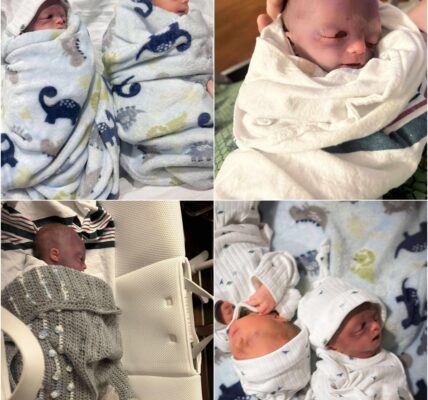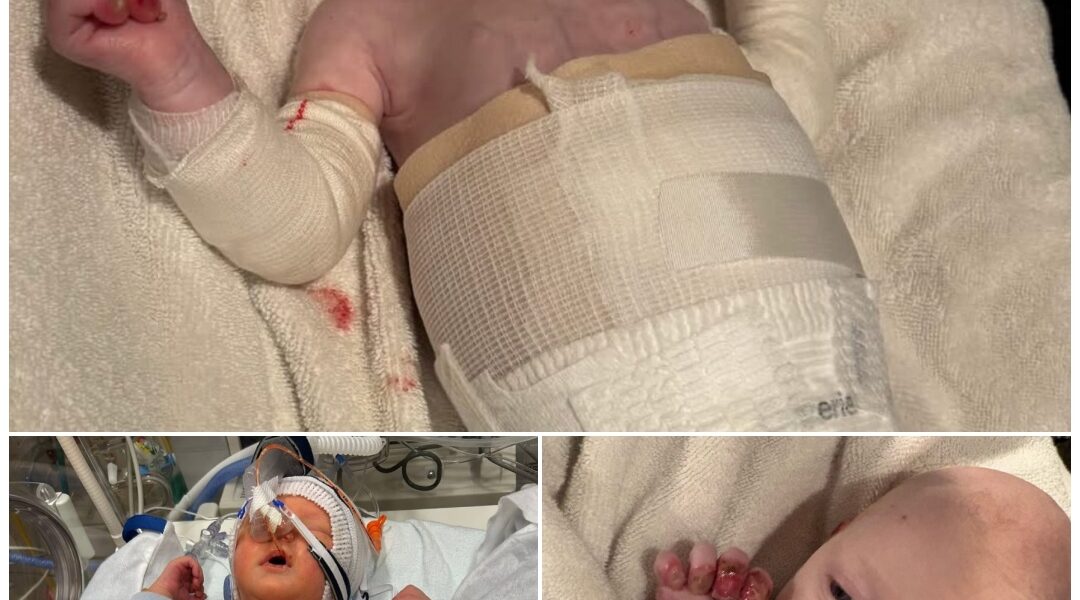

Douglas “Ridge” Watts was born on August 11, 2025, in Mobile, Alabama, a moment of great anticipation and joy for his parents, Annsley Salter and Bailey Watts. From the very first hours of his life, it became immediately clear that Ridge would face extraordinary medical challenges. Within a few hours of birth, blisters began appearing across his delicate skin, signaling that he was living with
Junctional Epidermolysis Bullosa (JEB), a rare genetic disorder affecting approximately 1 in 500,000 births worldwide.

Often referred to as “Butterfly Baby Syndrome”, JEB derives its name from the extreme fragility of the child’s skin, as delicate as a butterfly’s wings. In Ridge’s case, the severity of the disease was apparent from the outset, and his life would require constant vigilance, specialized medical care, and a deep understanding of a condition that is both rare and complex.

The root cause of JEB lies in mutations or the absence of proteins essential for binding the layers of the skin together. In Ridge’s specific case, Pleck and Laminin-332 proteins were missing
, preventing his skin layers from adhering properly. Normally, the epidermis—the outermost layer of skin—is firmly attached to the underlying dermis through these proteins, forming a protective barrier that prevents trauma. Without them, even the gentlest touch or minor friction can separate these layers, resulting in blisters, tears, and open wounds.

These lesions are painful and slow to heal, requiring meticulous daily care to avoid infection and further damage. The lack of structural integrity in the skin also makes the body vulnerable to dehydration, systemic infection, and scarring, creating ongoing medical concerns that demand constant attention.

From the moment of diagnosis, Ridge’s daily routine became dictated by the realities of JEB. Each day begins with a thorough inspection of his skin to identify any new blisters or lesions, which can appear spontaneously or in response to even minor friction. These blisters must be carefully drained, cleaned, and treated to prevent infection. Specialized ointments are applied to reduce pain, soothe the skin, and promote healing.
After treatment, each affected area is wrapped with medical-grade bandages that minimize friction and protect the skin from further injury. Even routine tasks, such as bathing, dressing, or repositioning in a crib, require extreme care. Simple activities, like holding Ridge or changing his diaper, must be executed precisely to avoid causing additional wounds.

Bathing Ridge is particularly delicate. Caregivers use a shallow bath with a carefully measured mix of water and diluted salt or vinegar solution, which serves both to cleanse the skin and prevent bacterial growth. Each movement must be slow and deliberate, as heat, water, or pressure can trigger new blisters. Even with careful handling, the risk of injury is ever-present.
Dressing Ridge requires selecting soft, loose-fitting clothing that does not irritate his fragile skin. Fabrics with seams, rough textures, or elastic bands are avoided to prevent friction-related injuries. Bedding, blankets, and even toys must be scrutinized for safety, as every surface the baby contacts has the potential to harm his skin.

Feeding presents additional challenges. JEB can affect the oral mucosa, throat, and esophagus, making the ingestion of food painful or impossible in some cases. Caregivers must monitor every feeding closely. In severe cases, children may require a
gastrostomy tube (G-tube) to ensure adequate nutrition. Maintaining proper nutrition is essential for overall health, growth, and, critically, for skin healing and immune function.

The chronic wounds associated with JEB also place a significant strain on the
immune system. Open blisters serve as entry points for bacteria, increasing susceptibility to infections that can quickly become systemic. Daily care routines include monitoring for signs of infection such as redness, swelling, heat, or fever. Prompt intervention with antibiotics or antiseptic treatments is required to prevent serious complications.

Beyond the physical challenges, JEB carries profound psychological and developmental implications. Chronic pain and discomfort can interfere with sleep, bonding, and sensory experiences in infants. For Ridge, this means that exploration and play, critical for cognitive and emotional development, must be carefully supervised to prevent injury. Caregivers balance the need for stimulation and engagement with the necessity of physical safety, ensuring that Ridge can interact with his environment without causing harm to himself.

Medical management of JEB is multidisciplinary. Ridge’s care team includes dermatologists, gastroenterologists, ENT specialists, speech pathologists, and other specialists, in addition to a pediatrician. Each expert addresses a different aspect of the condition, from wound care and nutrition to feeding and developmental milestones. Coordinating care among these specialists is complex, requiring frequent hospital visits, constant monitoring, and a thorough understanding of the disease.
Daily wound care alone can take several hours, as each lesion must be addressed individually. New blisters must be gently drained using sterile techniques, cleaned, and dressed. Ointments such as
antibacterial or emollient creams are applied to prevent infection and to keep the skin supple. Specialized non-adhesive bandages and gauze wraps protect the skin while allowing some movement, but even with these measures, accidental tears can occur.

Children with JEB often experience pain management challenges. Medications may be used to reduce discomfort during dressing changes, bathing, or feeding, but careful monitoring is essential to avoid adverse effects. Non-pharmacologic approaches, such as swaddling, soft positioning, and gentle touch, are also employed to minimize pain and provide comfort.
The chronic nature of JEB can lead to nutritional deficiencies, as the energy requirements of children with ongoing wound healing are higher than average. Careful dietary planning ensures that Ridge receives sufficient calories, protein, vitamins, and minerals to support growth, immune function, and tissue repair. For some children, supplemental nutrition via
feeding tubes is essential to meet these needs.
JEB also affects mobility and physical development. Skin fragility may limit physical activity and exploration, as friction or pressure on joints can cause blisters. As a result, children may require physical and occupational therapy to maintain range of motion, strength, and coordination without aggravating their condition. Therapy exercises are often modified to accommodate their delicate skin, emphasizing gentle movements and protective strategies.
In addition to the physical and developmental challenges, social and emotional aspects of JEB are significant. Children like Ridge may be isolated due to infection risk, frequent medical visits, and the need for constant care. The visibility of skin lesions can also affect social interactions and self-esteem. Parents and caregivers work to provide emotional support, ensuring that children feel safe, loved, and included despite their medical condition.

The rarity of JEB means that treatment options are limited. Researchers are exploring gene therapy, protein replacement, and regenerative medicine as potential avenues for long-term management or cure. In the meantime, daily care focuses on preventing injuries, promoting healing, controlling infection, and ensuring nutrition, all of which require meticulous attention and significant caregiver commitment.
Ridge’s care involves constant coordination with multiple specialists. Dermatology visits monitor skin integrity and assess wound healing. Gastroenterology appointments evaluate feeding, digestion, and nutritional status. ENT and speech therapy ensure that oral and throat lesions do not impede swallowing, breathing, or speech development. Each appointment often requires long travel times, preparation, and careful planning to ensure that Ridge remains stable and comfortable throughout the process.

The management of JEB is lifelong. Even as children grow, the fragility of the skin persists, and the risk of complications remains. Growth spurts, minor trauma, or everyday friction can trigger new blisters, requiring ongoing monitoring and intervention. Families develop daily routines that integrate wound care, feeding, therapy, and monitoring into a structured schedule to support the child’s health and development.
Pain management remains a continuous challenge. Dressing changes, feeding, and movement are frequent triggers for discomfort. Medications, comfort measures, and careful handling are used to reduce suffering. In addition, caregivers must monitor emotional well-being, as chronic pain and repeated medical procedures can be stressful and overwhelming for young children.
Beyond the individual care, JEB presents challenges for family life and daily routines. Parents must balance intensive care with other responsibilities, including work, household management, and attention to other family members. Sleep disruption is common, as new blisters and lesions may require care at all hours. Emotional stress is a constant factor, as parents must navigate fear, uncertainty, and the physical and emotional demands of caregiving.
Medical research into JEB is ongoing but remains limited due to the disease’s rarity. Advances in gene therapy, protein replacement therapy, and stem cell research offer hope for future treatments, but currently, care focuses on supportive management. This includes topical wound care, infection prevention, nutritional support, and physical therapy, all of which are essential to maintaining health and quality of life.

Daily care routines often include the use of non-adhesive dressings, silicone sheets, and protective padding to reduce friction and pressure. Specialized clothing and bedding are employed to prevent new injuries. Even handling by caregivers must be deliberate and gentle, as accidental friction can cause pain and new blisters.
In children like Ridge, the oral and esophageal involvement of JEB can cause difficulties with feeding and hydration. Soft or pureed foods, sometimes delivered via feeding tubes, help ensure adequate intake. This careful balance of nutrition, hydration, and wound management is essential for growth, immune support, and overall health.

In addition to physical care, attention to psychosocial needs is critical. Children with JEB may face isolation, limited mobility, and social challenges. Caregivers work to provide stimulation, play, and interaction in ways that protect the skin but also encourage emotional and cognitive development. Therapy activities are adapted to minimize friction while promoting learning and social engagement.
Families of children with JEB also navigate complex medical coordination. Frequent appointments with specialists across dermatology, gastroenterology, ENT, nutrition, and physical therapy are required. These visits provide monitoring, treatment adjustments, and guidance, ensuring that the child’s care remains optimized. Each visit may involve long travel distances and careful planning to minimize stress and maintain continuity of care.

The management of JEB is intensive and unrelenting, requiring vigilance at all times. Caregivers must constantly monitor the child for new lesions, signs of infection, nutritional deficiencies, or other complications. Even small accidents, such as minor bumps or friction from clothing, can trigger significant skin damage. This creates a daily routine that is both physically and emotionally demanding, but essential for the child’s survival and well-being.
Education and awareness about JEB are limited due to its rarity. Many healthcare providers have minimal experience with the condition, requiring families to become advocates and experts in their child’s care. Knowledge of wound care, infection prevention, nutrition, and supportive therapies is critical, and families often develop highly specialized routines tailored to their child’s specific needs.
Despite the challenges, children with JEB can experience moments of joy and engagement. Gentle play, careful handling, and sensory experiences can be incorporated safely into daily routines. Parents and caregivers strive to provide these moments of normalcy, balancing the demands of medical care with the need for love, interaction, and cognitive stimulation.
Over time, children with JEB require ongoing monitoring for long-term complications, including scarring, contractures, and the potential for skin cancers in older patients. Early intervention and preventative care are crucial to maintaining mobility, function, and quality of life. Regular dermatological assessments help detect early signs of complications, while physical therapy supports joint health and mobility.
Ridge’s journey with JEB highlights the extraordinary complexity of living with a rare genetic condition. The disease affects nearly every aspect of life, from basic physical care to nutrition, development, and psychosocial well-being. Each day requires meticulous planning, specialized knowledge, and constant attention to detail.
The combination of chronic pain, vulnerability to infection, and daily medical interventions creates a unique challenge for both the child and the family. The physical, emotional, and logistical demands are significant, requiring resilience, patience, and adaptability. Families develop highly structured routines, incorporating wound care, feeding, therapy, and monitoring into a coordinated schedule that supports the child’s health and development.
Despite these challenges, children like Ridge can thrive with dedicated care, supportive interventions, and close medical supervision. The integration of dermatology, gastroenterology, ENT, nutrition, and therapy ensures a holistic approach to the disease, addressing both physical and emotional needs. Advances in research offer hope for future therapies, but current management focuses on meticulous care, infection prevention, and maximizing quality of life.
The reality of JEB is a lifelong commitment. Even as children grow, the fragility of their skin remains. Daily vigilance is required to protect against injury, promote healing, and prevent infection. Caregivers must remain attentive, adjusting routines as the child grows, and continuing to advocate for specialized care.
Living with JEB also requires adaptation of the home environment. Soft bedding, padded surfaces, and friction-free clothing are essential to reduce risk of injury. Toys, furniture, and daily interactions are carefully managed to minimize trauma to the skin. This level of environmental adaptation is critical to maintaining the child’s safety and comfort.
In conclusion, Junctional Epidermolysis Bullosa is a profoundly challenging condition, affecting skin integrity, nutrition, immune function, mobility, and psychosocial well-being. Children like Ridge Watts require round-the-clock specialized care, coordination among multiple medical specialists, and meticulous attention to every aspect of daily life. While advances in research provide hope for future therapies, current management focuses on pain reduction, infection prevention, wound care, nutrition, and developmental support. The disease is rare and complex, demanding extraordinary commitment from families, caregivers, and healthcare teams.
Through careful monitoring, consistent wound management, and comprehensive multidisciplinary care, children with JEB can survive, grow, and experience meaningful engagement with their families and surroundings. The story of Ridge Watts exemplifies the intricate realities of life with JEB, illustrating the resilience of children, the dedication of caregivers, and the profound complexity of this rare genetic disorder.
A Painful Transformation: Leandro de Souza’s Journey to Remove 95% of His Tattoos and Reclaim His Life

In the age of social media, where instant fame often comes at the cost of personal judgment, the story of Leandro de Souza, a 36-year-old man from Rio Grande do Sul, Brazil, stands out as a testament to resilience, transformation, and the human spirit. Leandro, once celebrated for holding the unofficial title of “the most tattooed man in Brazil,” covered nearly 95% of his body with intricate artwork, from head to toe. While his tattoos made him a recognizable figure online, they also became barriers in his personal and professional life, pushing him toward isolation and hardship.
At the height of his notoriety, Souza had approximately 170 tattoos across his body, including elaborate designs on his face, arms, chest, and legs. In public spaces, these tattoos elicited awe and curiosity, but they also created challenges. Employers hesitated to hire him; social interactions were often complicated by prejudice or misunderstanding; and eventually, circumstances forced him to live temporarily in shelters, a stark contrast to the vibrant life he had once envisioned.
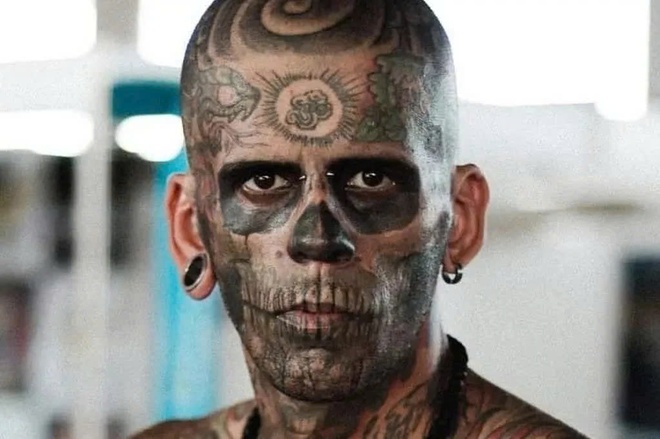
Leandro’s downward spiral began after a series of personal setbacks. Following his divorce at the age of 25, he experienced a cascade of difficulties, including substance abuse. For a time, he was trapped in a cycle of addiction, disillusionment, and social isolation. Tattoos, once a source of identity and self-expression, had gradually become symbols of his struggles, marking not only his skin but also the obstacles in his life.
The turning point came when Souza sought help at a rehabilitation center. During this period, he also embraced the Christian faith, finding solace, guidance, and renewed purpose. As he began the arduous path to recovery, his priorities shifted. The tattoos that once defined him no longer held the same appeal. They became reminders of a past filled with pain, struggle, and missed opportunities. By 2023, Souza made the courageous decision to begin removing the tattoos on his face first, aiming to rebuild his life, secure stable employment, and provide for his son while caring for his aging mother.
Souza’s journey of tattoo removal was not just a cosmetic endeavor—it was a profoundly physical and emotional process. He partnered with a studio in São Paulo, which generously offered to remove his tattoos free of charge over the course of eight sessions. Each session involved intense laser treatments, meticulously planned to remove layers of ink while rejuvenating the skin. He endured three different types of laser for each session: one to break down the tattoo pigment, a CO2 laser to prevent scarring and promote skin regeneration, and a final sealing treatment to minimize lingering marks.
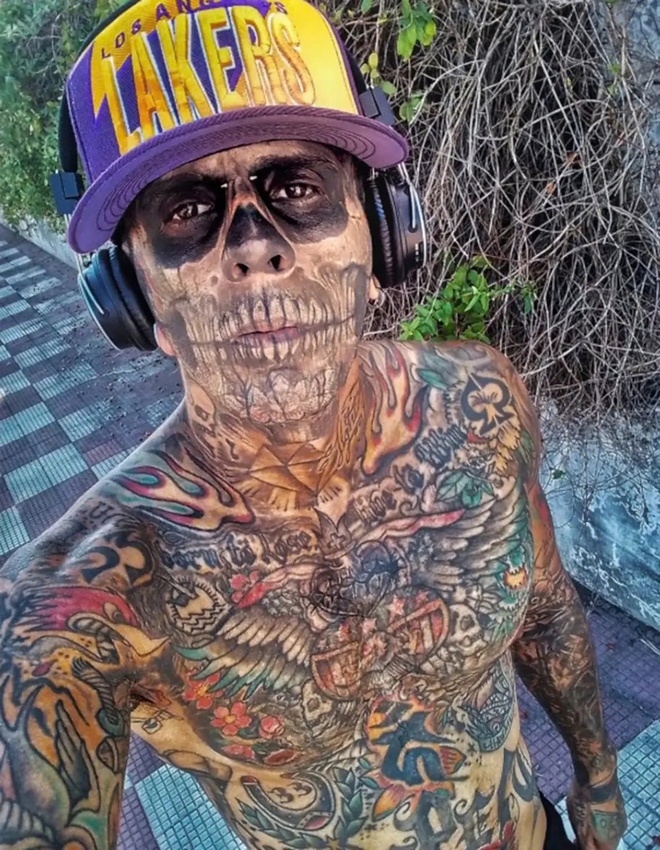
Describing the pain, Souza explained, “Imagine removing a small tattoo on a fingertip—it’s already painful. Now imagine enduring that same intensity across your entire face with multiple lasers. It’s excruciating.” Despite the agony, he persisted, motivated by the vision of a future unbound by the constraints of his past. Social media followers, which numbered over half a million, watched in admiration as he documented his process. Images of reddened, swollen skin, and small abrasions left viewers both shocked and inspired, witnessing a man endure pain for the sake of transformation.
As sessions progressed, the results became more visible. By the fifth session, significant portions of the facial tattoos had faded, revealing skin that seemed almost unrecognizable to those who had known Souza online. Yet beyond the physical change, the emotional and psychological impact was profound. Each removed tattoo was not just ink disappearing from the skin—it symbolized Leandro reclaiming autonomy over his life, shedding layers of a past that had weighed him down.
Throughout the process, Souza remained candid and reflective. He encouraged others to think carefully before getting tattoos, especially on the face or other visible areas, emphasizing that personal expression is powerful but can carry long-term implications. Yet, he also affirmed that he did not regret his tattoos entirely. They had been part of his journey, markers of personal history, experience, and identity. His message was nuanced: embrace self-expression thoughtfully, but remain mindful of its consequences.
Social media played a pivotal role in Leandro’s transformation. By sharing photos and videos of the tattoo removal process, he cultivated a community of support and inspiration. Followers responded with messages of encouragement, admiration, and empathy, seeing in him a figure of resilience and determination. His candid portrayal of both the pain and the progress of laser removal turned his journey into a powerful narrative of human endurance.
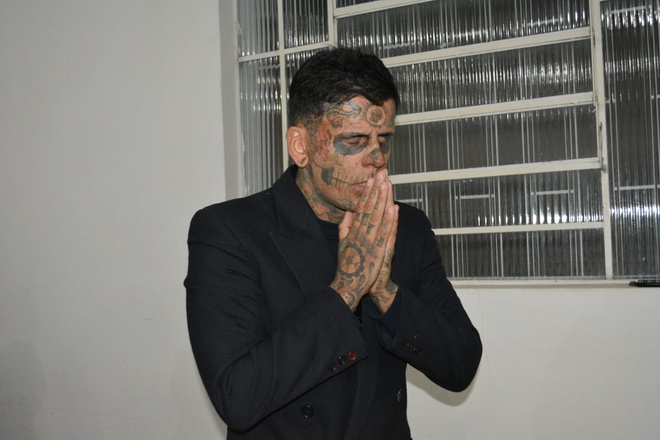
Leandro’s visibility led to opportunities beyond the tattoo studio. He was invited to participate in talk shows and interviews, sharing his story with broader audiences. Media outlets highlighted his journey as a symbol of transformation and perseverance, emphasizing not only the physical aspects of tattoo removal but also the emotional and motivational dimensions. Souza became a living example of personal reinvention, inspiring others who felt trapped by their circumstances, appearances, or past decisions.
By October 11, 2025, Souza shared an image showing approximately 90% of his facial tattoos removed. The photograph captured a man transformed not only in appearance but in spirit. His expression radiated confidence, optimism, and renewed purpose. Followers flooded the comments with support, celebrating his courage and the tangible progress he had made. For many, Souza’s journey underscored the profound human capacity for resilience—the ability to endure pain, confront past mistakes, and emerge stronger on the other side.
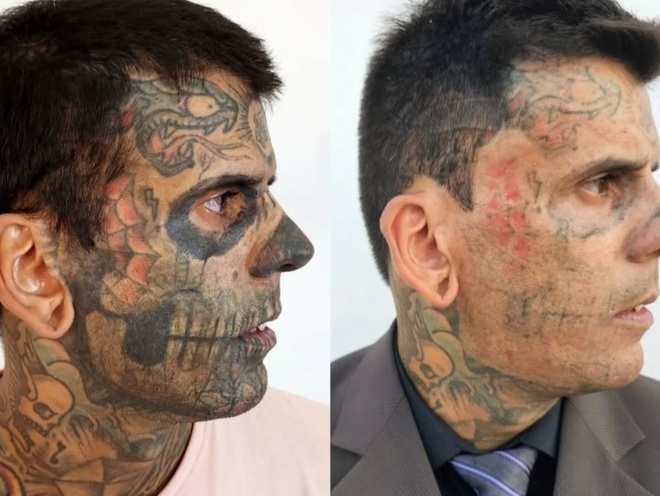
The technical aspects of tattoo removal were challenging, requiring both physical stamina and emotional fortitude. Each laser session caused redness, blistering, and discomfort, with the skin healing gradually over days. The combination of multiple laser types was necessary for the delicate removal of dense, layered ink. For Souza, enduring this process was a testament to his commitment to change. He often compared the procedure to a form of penance, a deliberate effort to physically and symbolically shed the weight of his former life.
Beyond personal transformation, Souza’s experience resonated widely because it tapped into universal themes: regret, redemption, and the desire for a second chance. Many viewers related to his story not because of tattoos, but because of the broader narrative of overcoming obstacles, taking responsibility, and striving to improve one’s circumstances. The vulnerability he displayed—documenting pain, uncertainty, and hope—fostered a sense of shared human experience.
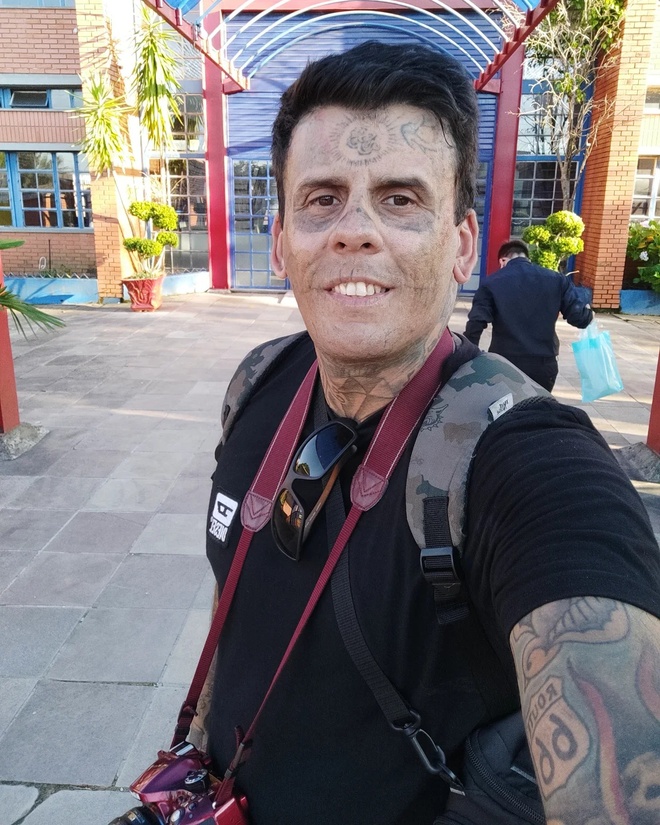
Souza’s narrative also challenged societal perceptions of body art and personal appearance. While tattoos are often celebrated for artistic expression and individuality, they can also carry social stigma. In Souza’s case, his extensive tattoos became a barrier to employment and social integration. By undertaking the difficult journey of removal, he highlighted the complex interplay between self-expression, societal expectations, and personal goals. His story invites reflection on how individuals navigate identity and social acceptance, especially when personal choices are highly visible.
Importantly, Souza maintained a compassionate perspective throughout his journey. He did not condemn the practice of tattooing; rather, he advised careful consideration, particularly when tattoos are placed in highly visible areas. He acknowledged that tattoos can be meaningful and beautiful, but emphasized that personal circumstances and future aspirations should guide decisions. This balanced view allowed him to convey a message that was both inspiring and practical.
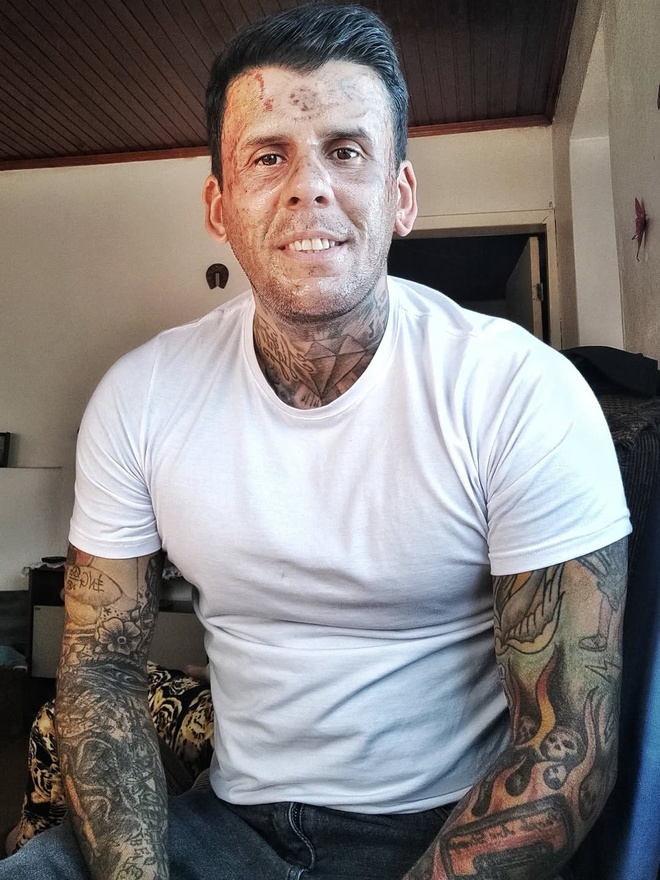
In the months following the initial removal sessions, Souza continued to update his followers, sharing progress and reflections on life changes. He documented improvements in employment opportunities, family relationships, and personal confidence. The tattoos he removed were not simply ink on skin—they were obstacles removed from his life, enabling him to pursue stability, provide for his son, and care for his mother.
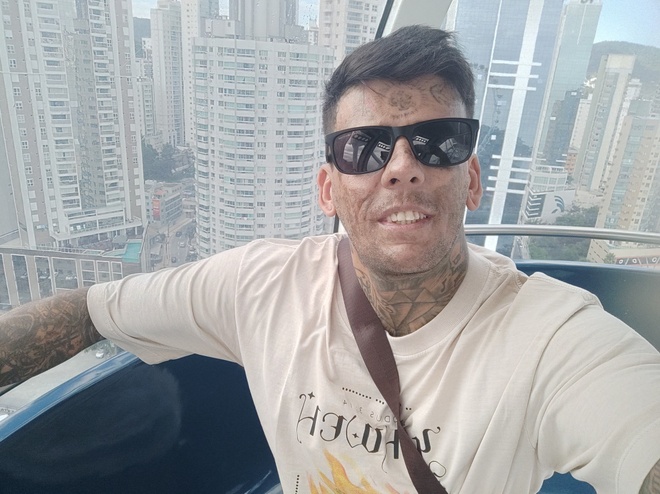
The transformative power of Souza’s journey lies not only in the visible changes but in the broader lessons it imparts. It is a story about courage: the willingness to face intense physical pain, emotional vulnerability, and public scrutiny for the sake of personal growth. It is a story about redemption: taking deliberate steps to move beyond past mistakes, reclaim dignity, and chart a new path. And it is a story about inspiration: showing others that transformation is possible, even under challenging circumstances.
As Souza continues his journey, his experience serves as a reminder that the human spirit is remarkably resilient. Physical appearance, past choices, and societal judgments need not define the trajectory of one’s life. By confronting challenges head-on, enduring discomfort, and embracing change, individuals can reconstruct their lives in meaningful, empowering ways.
Leandro de Souza’s story has resonated far beyond Brazil. His story has been shared across social media platforms, inspiring discussions about identity, resilience, and personal transformation worldwide. Many see in him an emblem of perseverance, a figure demonstrating that life is not static, and that meaningful change requires both courage and commitment.
Through his journey, Souza has also become an advocate for empathy and understanding. He reminds viewers that those who appear unconventional or face visible differences often navigate challenges invisible to others. His narrative encourages a deeper appreciation of human complexity, resilience, and the multifaceted nature of identity.
Ultimately, the journey of Leandro de Souza is a celebration of human determination. The removal of 95% of his tattoos was not merely a cosmetic procedure; it was a reclaiming of life, agency, and self-respect. His courage, honesty, and persistence continue to inspire audiences globally, affirming the universal truth that it is never too late to change, to heal, and to redefine oneself.
In a society that often judges individuals by appearance, Souza’s story challenges preconceived notions and expands understanding of personal reinvention. Tattoos, while expressive and artistic, are also enduring. Choosing to remove them can be a profound statement about personal growth, responsibility, and the pursuit of a meaningful life.
As Leandro’s journey continues to unfold, he embodies the idea that transformation—painful, arduous, and deeply personal—can lead to liberation. The path he chose reflects the strength required to confront both internal and external challenges, and the resilience necessary to emerge renewed, empowered, and ready to embrace life with intention and hope.

The image of Leandro, with the majority of his facial tattoos removed, radiant and confident, has become iconic among his followers. It symbolizes not only physical change but emotional liberation—the triumph of perseverance over adversity, and of hope over despair. His story serves as a beacon for anyone seeking to overcome obstacles, reminding us that real transformation begins within and manifests in actions that align with our aspirations.
Leandro de Souza’s odyssey is more than a story of tattoos and lasers; it is a human story about confronting pain, embracing vulnerability, and the relentless pursuit of a second chance. His journey inspires, educates, and motivates, proving that change is possible, even when the path is fraught with difficulty, and that every step toward personal growth is worth enduring the struggle.
Through this extraordinary journey, Souza has transformed his life, his image, and the perception of countless individuals around the world. He stands as a testament to the power of perseverance, courage, and the enduring capacity for human transformation.
Leandro’s story will continue to inspire generations, a reminder that no matter how challenging the process, reclaiming one’s life and future is always within reach for those willing to endure the pain, embrace change, and strive for renewal. His journey shows that with determination, resilience, and hope, it is possible to erase the past from the surface and rewrite the narrative of one’s life, achieving a