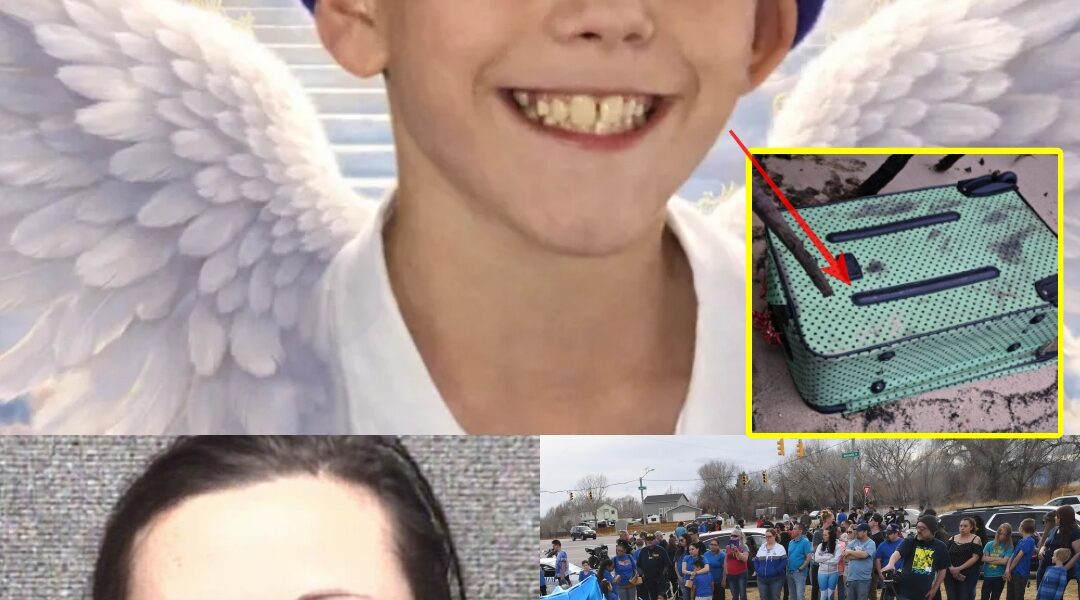
Three Weeks Calling a Child’s Name — While the Truth Lay Hidden 1,300 Miles Away.

Three weeks.
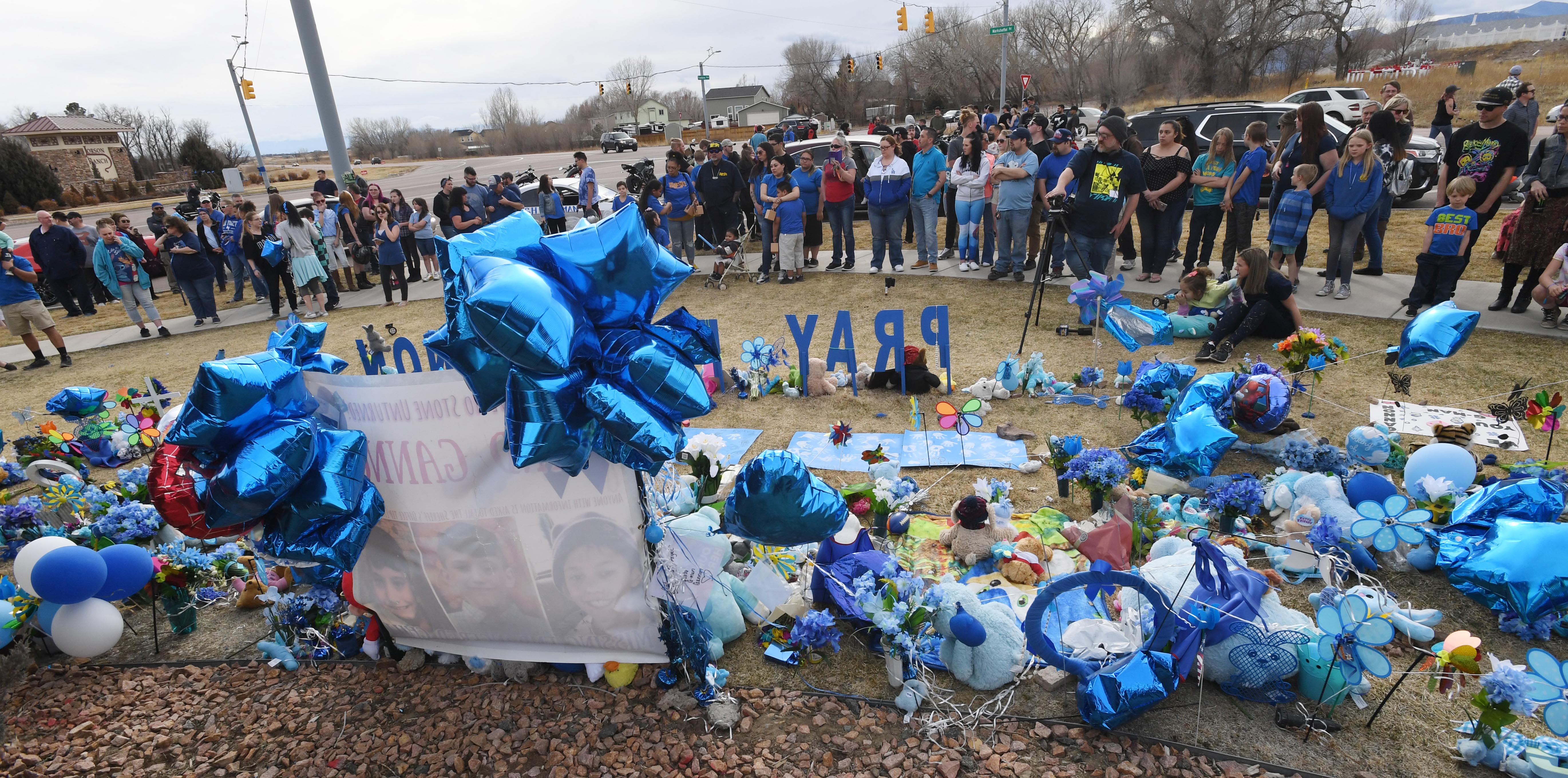
That was how long an entire community searched in freezing air, calling the name of a boy they believed might still be alive, their voices carrying across parks and trails as hope thinned with every breath of winter.
Three weeks of posters taped to poles, of headlights crawling along dark roads, of strangers standing shoulder to shoulder in the cold because no one wanted to be the person who stopped believing too soon.
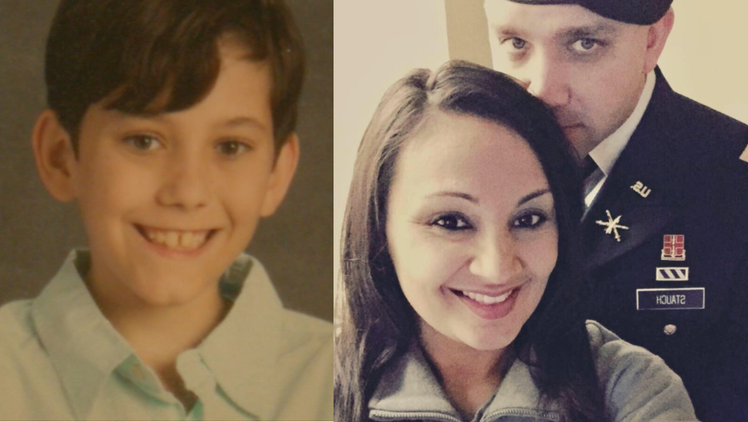
Gannon was eleven years old.
Old enough to ride his bike on his own streets, old enough to have favorite video games and routines, yet young enough to still believe that adults told the truth and that home was always safe.
On a Monday afternoon in January 2020, he vanished without a trace, and with him went the sense of certainty that usually wraps around childhood like an invisible shield.
Search parties formed almost immediately.
Neighbors, volunteers, people who had never met the boy but couldn’t stand the idea of not looking, spread out across Colorado Springs with flashlights, dogs, and whispered prayers.
They searched parks and drainage ditches, wooded trails and open fields, calling his name into the cold as if volume alone could pull him back.
His name echoed through the city like a plea no one wanted to stop making.
While the ground was being covered inch by inch, his father was far away, serving with the National Guard when the call came that split his life in two.
One moment he was focused on duty.
The next, his world collapsed into a single word: missing.
He rushed home believing the worst while clinging to hope because fathers don’t get the luxury of giving up, not when a child might still be waiting to be found.

On television, Gannon’s mother spoke through tears, her voice breaking in a way that felt painfully real.
“A kid doesn’t just disappear,” she said, asking viewers to imagine how afraid he must be.
Those words landed hard in living rooms across the state.
And then there was his stepmother.
She was everywhere.
She spoke to reporters, organized volunteers, hugged strangers, answered questions with calm consistency that felt reassuring in the middle of panic.
Her story never changed.
Gannon had left the house sometime between 3:15 and 4:00 p.m. to walk to a friend’s home.
He never came back.
For three weeks, people believed her.
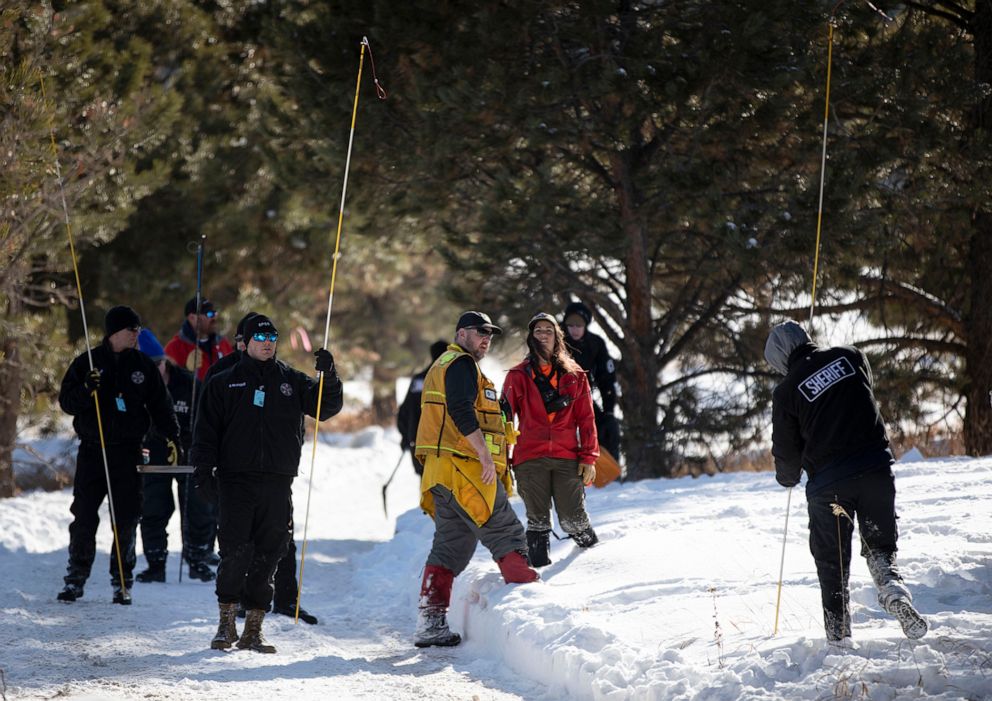
They searched harder when temperatures dropped, breath turning to fog as dusk fell, refusing to let winter steal their resolve.
They followed tips, chased sightings, and convinced themselves that persistence could overcome any darkness.
The stepmother thanked everyone.
She cried on camera.
She thanked searchers for braving the cold.
The image of a worried parent etched itself into public memory, and no one questioned it at first.
Why would they.
She was helping.
But down the street, a neighbor named Roderrick couldn’t shake a feeling that the timeline didn’t add up.
It wasn’t an accusation, just a quiet discomfort that lingered when the news cameras turned away.
Something didn’t sit right.
So he did something most people never think to do until it’s far too late.
He checked his home security footage.
He rewound to the morning of the disappearance.
And then he froze.
The camera showed Gannon at 10:13 a.m.
Not in the afternoon.
Not walking alone to a friend’s house.
He was leaving with his stepmother, moving slowly, climbing into a truck beside her.
Hours later, the truck returned.
But Gannon did not.
The driveway sat empty, holding nothing but silence.
Roderrick didn’t hesitate.
He went straight to Gannon’s father.
When the father saw the footage, his body gave out beneath the weight of the truth.
“She lied,” he said through tears.
“She lied about everything.”

In that moment, hope shattered into something sharp and unbearable.
Investigators confronted the stepmother with the video.
Her calm dissolved almost instantly.
The story that had held steady for weeks began to crack under the simplest pressure.
First, she changed the time.
Then she changed the destination.
Then she blamed Gannon himself, claiming he had run away.
Each version contradicted the last.
Each explanation opened more questions than it answered.
The truth was pressing in, and there was nowhere left to hide.
But even then, no one understood how far the lie had traveled.
Because while hundreds of people searched Colorado, Gannon was not there.
He hadn’t been there for weeks.
He was more than 1,300 miles away.
Hidden in a place no one thought to look, chosen not by accident, but by calculation.
For fifty-two agonizing days, the search continued.
His father waited by the phone, bracing himself for news that could either save him or destroy him.
The community held on, even as fear slowly replaced optimism.
Then, in Florida, something ordinary happened.
A routine bridge inspection.
The kind of quiet, methodical work done without cameras or crowds.
Inspectors noticed something beneath the bridge that didn’t belong.
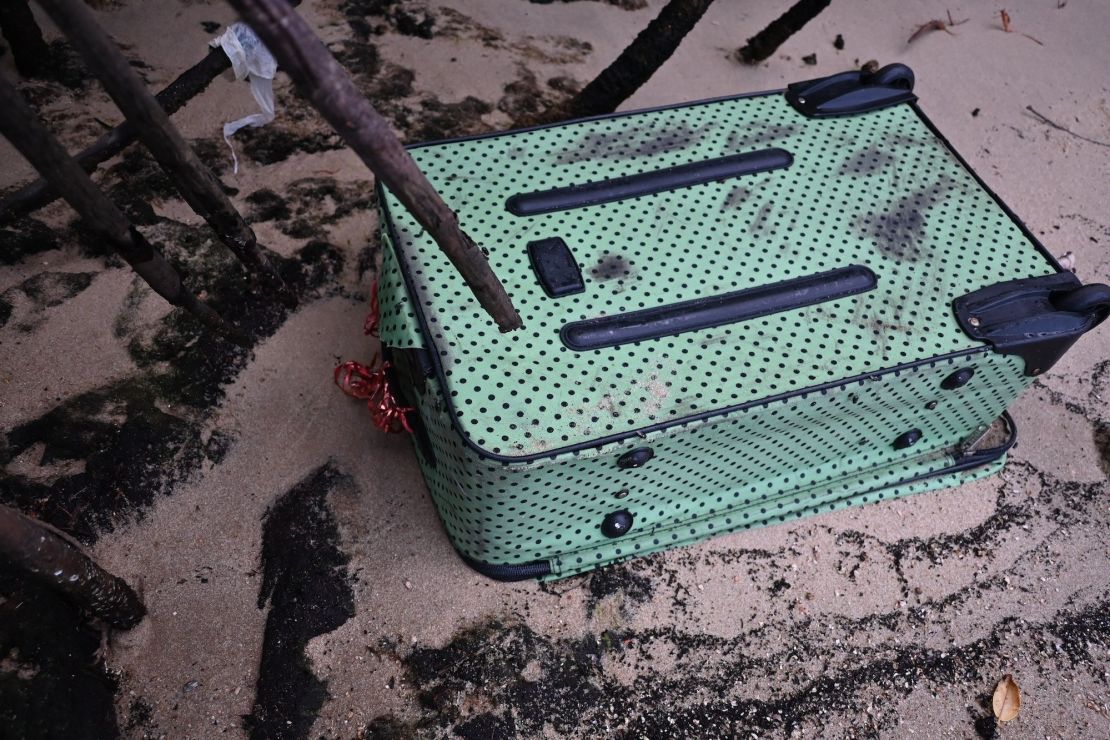
A suitcase.
Out of place.

When they opened it, the case cracked wide open.
Inside were remains.
And the answers no one wanted, but everyone needed.
The boy searched for in frozen parks was found beneath a Florida bridge.
The distance alone stunned investigators.
The intention behind it horrified them.
DNA confirmed what everyone feared.
It was Gannon.
The search was over.
But the investigation was only beginning.
Because what followed took years to untangle.

Years of evidence, testimony, and truths so heavy they changed everyone who touched them.
Forensic analysis painted a picture no one could deny.
This was not an accident.
This was not panic.
It was planning.
Deliberate actions layered with lies, choices made long before a missing report was ever filed.
Investigators reconstructed the hours before Gannon vanished.
They traced phone data, vehicle movements, internet searches, each step contradicting the image of a frantic stepmother desperate to find a child.
Recordings of phone calls surfaced.

Gannon’s father begging for honesty, his voice breaking as he pleaded for the truth.
“Just tell me where he is,” he said again and again.
Each call met with deflection.
Each answer pushed reality further away.
In court, the evidence was overwhelming.
Photos.
Data.
Medical findings so disturbing that even seasoned prosecutors struggled to speak them aloud.
The jury sat in stunned silence as the smiling woman from television transformed into something unrecognizable.
She had known the truth from the start.
She knew the search parties would never find him.
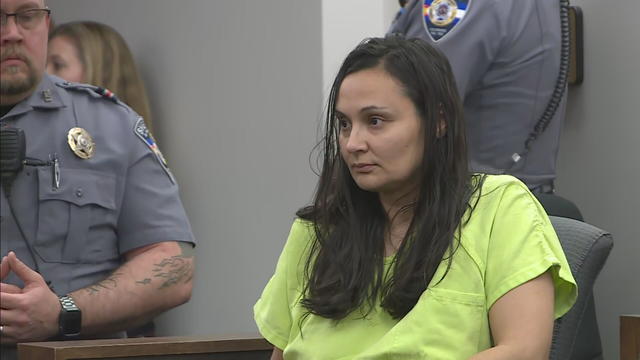
She knew every candle, every prayer, every frozen step was for a child already gone.
And still, she organized them.
Still, she stood before cameras.
Still, she played her part.
She hadn’t counted on one thing.
A neighbor’s camera, recording without emotion or mercy.
She hadn’t counted on a father who refused to stop asking questions.
She hadn’t counted on investigators who followed evidence across state lines.
And she hadn’t counted on time revealing what lies always hide.
The trial stretched on.
Witnesses testified.
Experts explained timelines that left no room for doubt.
In the end, the verdict reflected the truth uncovered inch by inch.
Justice arrived.
Late, imperfect, but undeniable.
Gannon’s father stood in the courtroom listening to the sentence, his face marked by grief rather than relief.
No punishment could give him back his son.
The community remembered the boy who loved being outside and playing games.
They remembered the posters and the candles.
They remembered searching in the cold, believing in miracles.
They remembered trusting someone who never deserved it.
And they remembered how close the truth had been all along.
This case changed how people listened to missing child reports.
How they weighed words against actions.
How they learned that sometimes the most helpful face can hide the darkest truth.
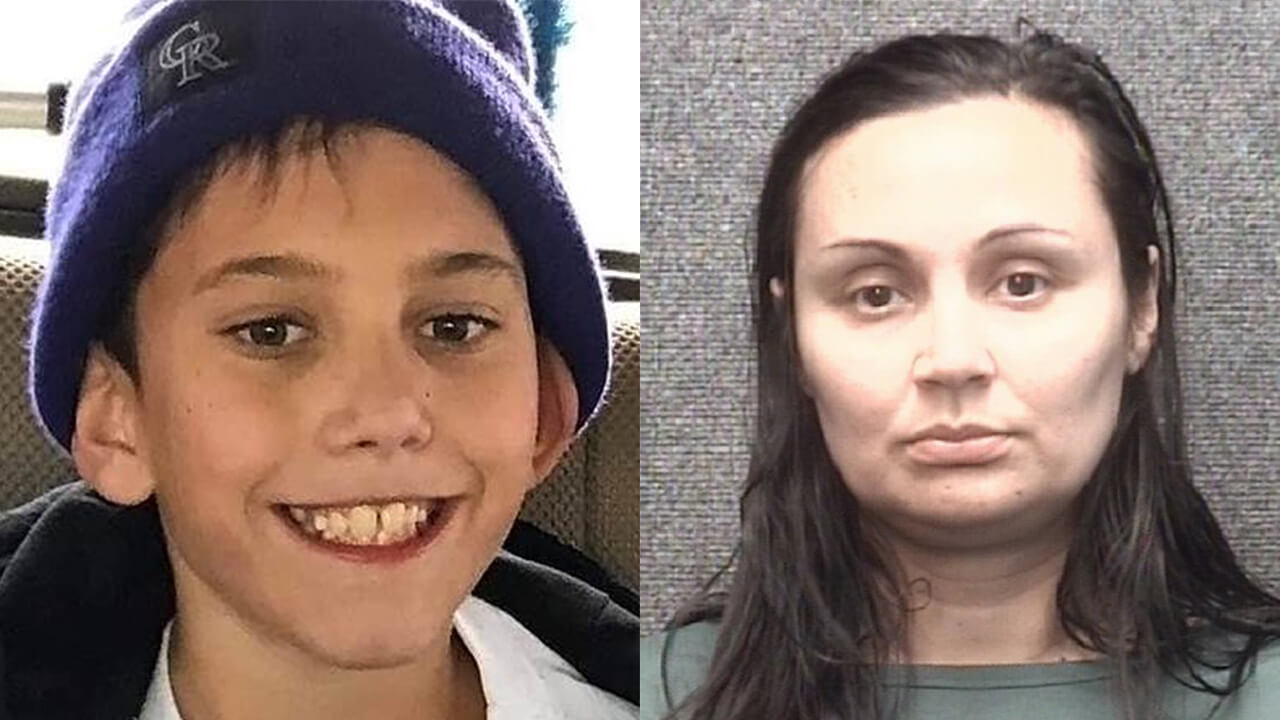
At the center of it all remains one haunting image.
A woman smiling for cameras.
And a community searching for a child she already knew was gone.
The Battle of Pebby: A Tale of Courage, Pain, and Peace.3250

The day Pebby was brought into our lives, she was a bundle of energy, her eyes bright with life, her tail always wagging, and her spirit full of joy. Her presence was a warm light in our home, and every day was a testament to the love she shared. But that light, that endless energy, was cruelly dimmed one fateful evening.
Pebby was a victim of a hit-and-run. The accident left her unable to walk, an unexpected tragedy that shattered the world she knew. The crash broke not only her bones but also her spirit in ways we could never fully understand. She had always been the type to run freely, exploring the world around her with a joyful bounce. But from that day on, her world became a prison of pain.

The road to recovery was long and grueling. What followed was a series of never-ending vet visits, medications, and treatments. Her body, once strong and lively, began to betray her. Pebby fought tirelessly against the paralysis that had taken away her ability to walk. Each day she struggled with her frail body, battling against severe bedsores that grew deeper and more painful with time, each wound a cruel reminder of her suffering. The sores were a constant threat, a testament to the toll her body was enduring. But through it all, Pebby never gave up.
Despite her physical limitations, Pebby’s spirit remained unbroken. It was as if, in the quiet moments of stillness, you could feel the strength of her will to survive. Her eyes, though often filled with exhaustion, always held a glimmer of hope. She didn’t just endure her pain—she fought against it. Each day was a challenge, but Pebby approached it with a quiet courage that inspired everyone around her. The constant pain didn’t defeat her will to survive. It only seemed to fuel her determination.

We were always hopeful that one day, she might regain some movement, even the smallest sign that she could live a life free from the limitations that had been imposed on her. But that hope slowly began to fade as time wore on, and her body grew weaker. Still, Pebby’s will to live never faltered. Even as her strength diminished, she kept fighting, not for herself but for the love she shared with those who cared for her.
Last night, she was taken to the vet again, one more visit in a long line of countless others. The vet’s office had become a second home, a place where her body was treated, and her spirit was nourished. The team at the clinic worked tirelessly to keep her comfortable, monitoring her condition as best as they could. Everyone held onto the hope that she would pull through once more, just like she had always done in the past. But this time, the fight was too much for her. Her frail heart couldn’t take it anymore.
Today, Pebby’s body gave out. She went into cardiac arrest, and despite the desperate efforts to revive her, her tiny body couldn’t withstand the strain any longer. She slipped away quietly, her body finally surrendering to the exhaustion that had plagued her for so long. It was as though she had been holding on for the right moment—until she was surrounded by those who loved her, those who never stopped believing in her.
Her death was not the end of her story, though. It was the end of a battle, the final chapter in her journey that began the moment she was struck by that cruel accident. Her life was not defined by her paralysis, her suffering, or her pain. Pebby’s story is one of resilience, courage, and unconditional love. She taught us what it means to fight even when the odds are stacked against you. She showed us that, even in the face of unimaginable pain, there is always room for hope.
In her final days, Pebby was surrounded by those who refused to give up on her. They were the ones who held her when she could no longer stand on her own. They were the ones who made sure she never felt alone in her battle. They were the ones who believed she deserved more than the cruelty the world had given her. Pebby’s life was a testament to the power of love, and in the end, she was enveloped by that love, surrounded by those who would never forget her bravery.
As Pebby rests now, free from the pain she endured for so long, we know her spirit lives on. We know that, somewhere beyond the boundaries of this world, she’s running again—no longer bound by the limitations of her body, no longer suffering, but finally at peace. The pain she carried with her for so long is over, and in its place is the freedom she always deserved.
Run free, Pebby. You may have lost the ability to walk here, but you’ve found your wings now, soaring beyond the pain, beyond the hurt, and beyond the fear. We will always remember you, not for the struggles you faced, but for the strength you showed every single day. You may be gone, but your spirit will live on forever, running freely in the place where pain no longer exists.
Rest in peace, little warrior. 🕊️